


Rain can change jobsite conditions quickly. In wet conditions, machine choice is critical, but attachment selection determines how confidently you keep working. The right setup helps you keep material under control, protect finished surfaces, and keep cycle times predictable.
At Papé Machinery Construction & Forestry, you can match attachments to the way wet ground behaves, then fine-tune your approach as conditions evolve. Papé Machinery also backs that setup with a full-service support network and rental options throughout the West.
Wet Ground Has a Personality. Plan for It.
Water adds weight, reduces shear strength, and turns fine soils into slick paste that clings to cutting edges and tire treads. That combination creates three problems: material builds up on tools, tires and tracks struggle to bite, and grades “move” after you think you’ve finished.
Success in these conditions starts with two priorities:
- Keep surfaces stable and predictable.
- Keep material flowing cleanly through the attachment so you avoid constant shake-offs and rework.
The rest comes down to matching attachment style to the task.
Grading: Clean Cuts, Controlled Carry, and Fewer Surprises
Wet grading is rarely about pushing harder; it’s about managing how the tool meets the surface.
1. Grade with the Attachment That Matches the Finish You Need
For shaping and cleanup grading, a grading or ditching bucket on an excavator can work well, especially when paired with a tilt function. The wider profile helps you feather material without leaving deep marks, and the tilt lets you roll the bucket to maintain slope without repositioning.
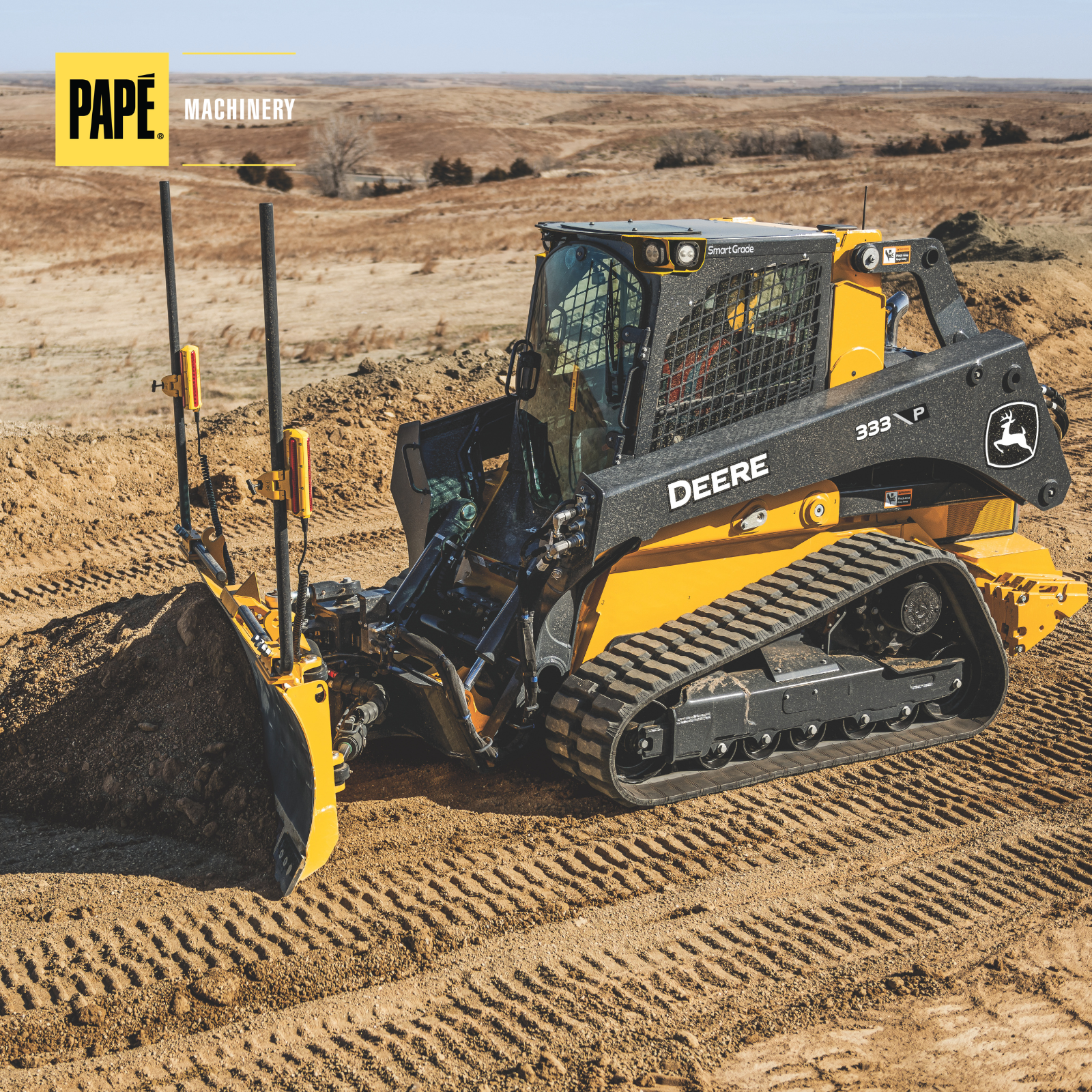
On skid steers and compact track loaders, attachments that spread load and keep a consistent contact patch help you avoid digging in. A box blade or grading blade can be strong choices for maintaining gravel drives, stabilizing access lanes, and touching up subgrade.
2. Use a Coupler to Stay Flexible as Conditions Shift
Wet jobsites reward adaptability. If the morning calls for cutting and the afternoon turns into trench backfill and compaction, a quick coupler lets you swap tools with minimal downtime.
3. Add Compaction Where It Counts
Moisture can be an advantage if you can compact at the right time. A compaction wheel on an excavator helps build consistent trench backfill and stable bases. Compaction wheels are a great way to streamline compaction tasks on trenches, roadways, and foundations.
Tip: When performing wet-condition grading, aim for fewer passes with cleaner material movement. Each pass risks pumping water upward and polishing the surface into a slick layer.
Cleanup: Cut Through Mess, Separate Material, and Leave a Safer Site
Wet cleanup can be the difference between an efficient job and one that stalls. Mud hides debris, stockpiles slump into paths, and stormwater pushes material into the wrong places.
1. Brush Rakes and Cleanup Tools for Excavators
Brush rakes help sort organic debris, pull branches out of saturated soils, and leave cleaner surfaces that drain well.
2. Skid Steer Attachments That Speed Site Recovery
Skid steers and compact track loaders often become the cleanup crew after rain. Pairing the machine with the right attachments keeps it efficient and reduces ground disturbance:
- Grapple or Root Grapple: Storm debris and brush piles
- General Purpose Bucket: Scooping saturated spoils
- Angle Broom or Sweeper: Hard surfaces once water clears
- Forks: Staging pallets of erosion-control materials and supplies
3. Keep Attachments Clean
Mud buildup steals capacity and balance. A simple routine helps: shake off excess before travel, avoid overfilling buckets with sticky material, and stage a clean-off zone.
Material Handling: Stabilize, Secure Loads, and Protect Surfaces
Rainy, wet conditions impact material handling operations as well, as loads shift, paths rut, and visibility drops.
1. Forks and Couplers for Fast, Clean Moves
Wheel loader forks and couplers are a practical wet weather pairing. Forks keep materials above the mud, and a coupler makes it easy to switch back to a bucket when needed.
2. Choose Buckets That Carry Wet Material Without Fighting You
Wet material is heavier and often sticky. High-capacity buckets can boost productivity when density is manageable and travel distances are short. For sticky soils, a bucket style that releases material cleanly keeps cycle times consistent.
3. Keep Uptime Predictable with Parts and Service Support
Attachments take a beating in bad weather. Pins wear faster, cutting edges dull, and hydraulic connections see more grime. Papé Machinery technicians inspect and maintain rental equipment so it is ready to operate at full capacity when it goes out.
Papé Machinery also supports customers with a deep parts pipeline. The parts page highlights an inventory that includes 15+ million OEM and aftermarket parts and experienced parts counter professionals, which is valuable when a worn edge or damaged hose threatens the schedule.
Pick the Right Wet Weather Attachments
- What Finish Do I Need Today? Tight grade control points you toward grading buckets, blades, and smoothing tools.
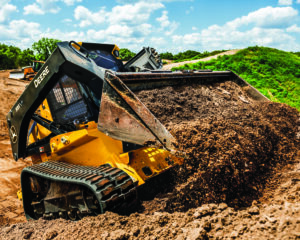 What Material Am I Moving? Sticky fines, rocky fill, and storm debris behave differently.
- How Many Tasks Will the Machine Cover? Multi-task days reward couplers, forks, and quick swaps.
If you want to keep options open, Papé Machinery’s attachment rentals cover all the categories described here, with dealer networks spanning across the western U.S.
Wet jobsites bring extra variables, but the right attachments narrow those variables down to something more manageable, so grading stays crisp, cleanup stays efficient, and material handling stays steady and safe.