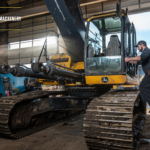



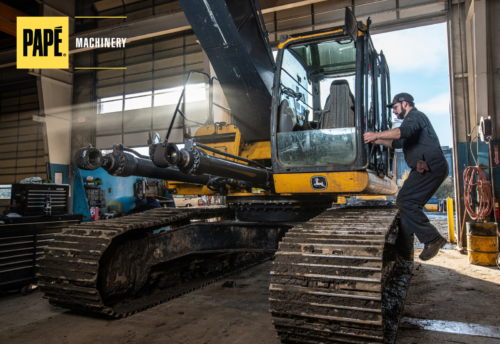
Why Choose a Dealer Service Center Over Independent Repair for Your Equipment
When a dozer, excavator, or loader goes down, the repair decision affects more than the invoice. It can influence warranty coverage, parts compatibility, future reliability, resale value, and how quickly the machine returns to work. Independent shops can handle some routine repairs, but a dealer service center offers direct access to manufacturer training, OEM parts,…
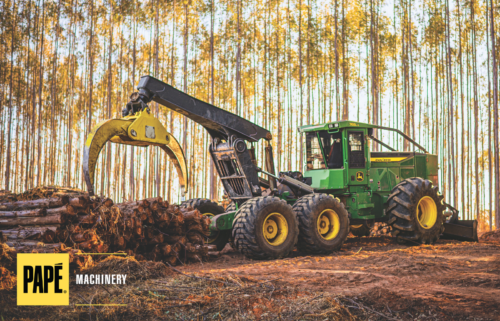
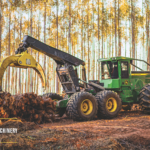
Preparing for Fall Forestry Work: Equipment and Attachments for the Season Ahead
Fall can bring a valuable window for forestry work, but changing ground conditions, shorter days, and demanding workloads can quickly put equipment to the test. Whether the job involves clearing vegetation, processing timber, moving material, or preparing a site for the months ahead, having the right equipment ready can help crews stay productive as conditions…
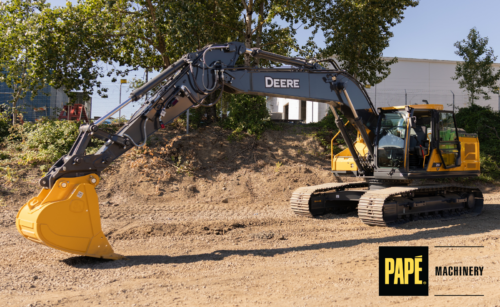
Built to Dig Smarter: Meet the John Deere P-Tier Mid-Size Excavator Lineup
The John Deere P-Tier mid-sized excavators lineup is designed to meet the evolving demands on jobsites. With powerful digging performance, advanced technology, improved visibility, and simplified serviceability, the new P-Tier mid-size range is tailored for different production scopes and job site demands. These excavators help crews move material efficiently, maintain precise grades, and keep projects…
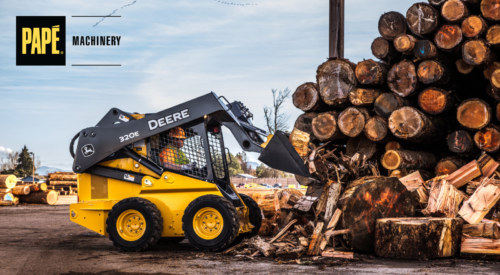
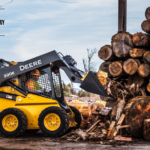
Types of Compact Construction Equipment Attachments for Better Uptime
To get the most value out of your compact construction equipment, it needs to stay productive as the work changes. A skid steer loader, compact track loader, or compact excavator may start the day digging then move into material handling, grading, clearing, demolition, or cleanup with the right attachment. With a well-planned attachment lineup, contractors…
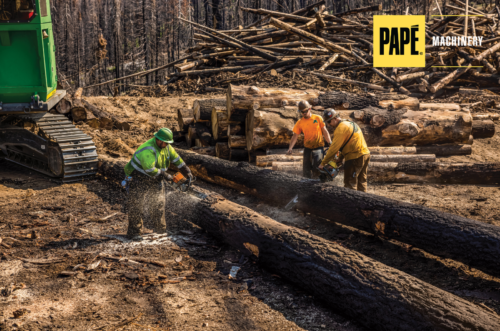
Forestry Clean-Up: How to Turn Wood Waste Into a Valuable Resource
Every forestry project leaves material behind. Timber harvesting, thinning operations, storm cleanup, land clearing, and wildfire mitigation are just a few examples of work that leaves behind limbs, treetops, brush, stumps, damaged logs, bark, and other wood waste. If left unchecked, this material can limit access to the site, make replanting more difficult, create safety…
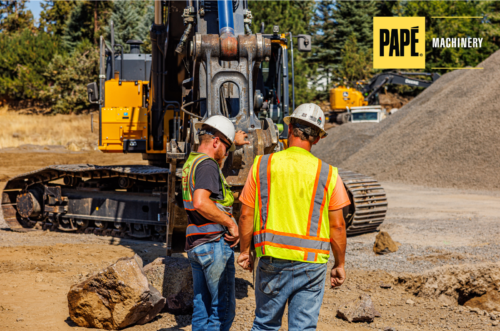
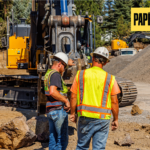
Safe & Sound Week: Three Ways to Build a Stronger Jobsite Safety Program
A strong safety program is built through the decisions crews and supervisors make every day: how work is planned, how concerns are reported, and how quickly hazards are corrected. OSHA Safe & Sound Week gives construction and forestry operations an opportunity to evaluate those habits and strengthen their overall safety culture. Safe + Sound Week…


How to Order John Deere Parts Online with Shop.Deere.com
Keeping equipment productive starts with having the right parts when you need them. Whether you’re planning preventive maintenance, replacing a worn component, or ordering parts after hours, Shop.Deere.com gives you a convenient way to shop genuine John Deere parts online directly through John Deere while staying connected to your local Papé Machinery Construction & Forestry…
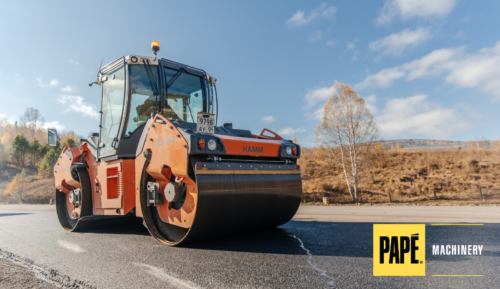
Dry Roads, Big Repairs: Why Summer Is Prime Time for Street Fixing
When the rain lets up and the sun comes out, roadwork season kicks into gear. Across the West, summer gives contractors, municipalities, and road crews the weather window they need to repair streets, improve drainage, rebuild surfaces, and prepare roads for the rainy season ahead. Potholes, rutting, broken shoulders, poor drainage, and failing base materials…
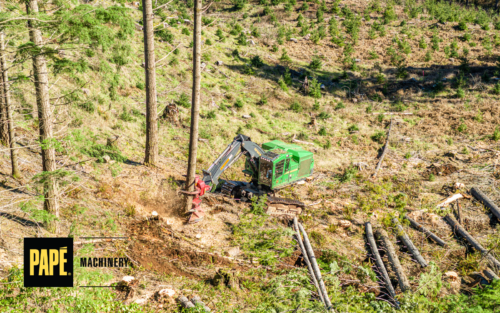
Peak Fire Season: Forestry Fire Mitigation Tips
Wildfire risk depends on weather, terrain, ignition sources, and fuel. You can’t control the weather, but you can reduce the amount of dry material available to burn. The U.S. Forest Service identifies mechanical treatment, including thinning, pruning, piling brush, and creating fuel breaks, as a way to reduce the probability of catastrophic fires and protect…


National Safety Month: Building Safer Jobsites with the Right Equipment, Maintenance, and Support
June is National Safety Month, an annual National Safety Council observance focused on helping people stay safe “from the workplace to anyplace.” For construction and forestry crews, that message fits the pace and pressure of everyday work. A safer jobsite starts with preparation. It grows through daily habits, equipment condition, operator awareness, planning, and reliable…