

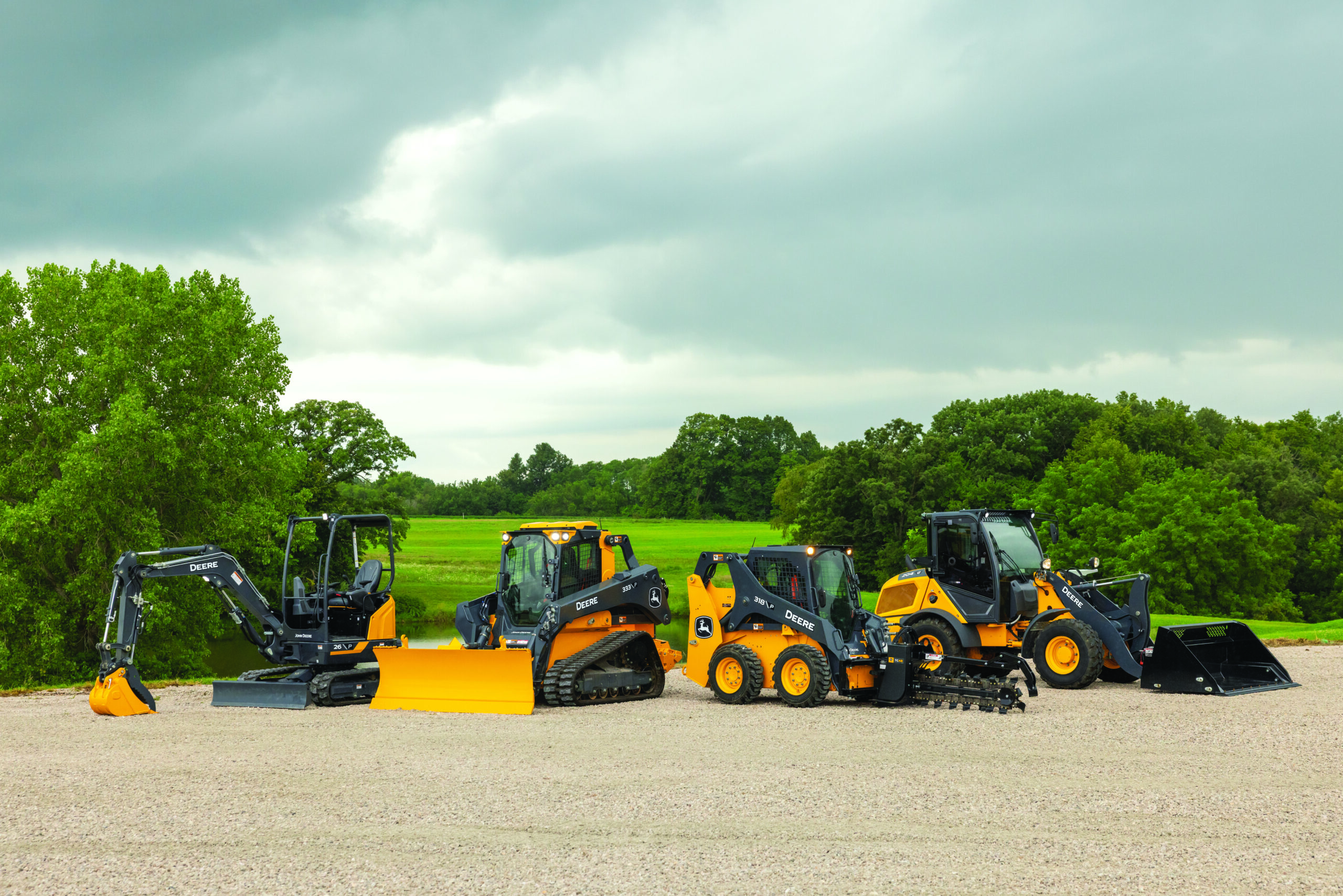
Tight job sites, lean crews, and aggressive timelines put serious pressure on compact construction equipment. When the equipment fits the work, you move faster, protect margins, and keep projects on schedule. When it doesn’t, you risk rework, idle operators, and machines that never quite match the job. Compact construction equipment (CCE) includes compact excavators, track loaders, skid steers, and wheel loaders that handle trenching, grading, material handling, and cleanup in environments where full-size equipment isn’t practical.
Below are practical tips to help you choose the right compact construction equipment best suited for your applications.
Start with Tasks and Jobsites
Planning starts with your work mix. List the tasks the machine must handle most often, like trenching and backfill, earthmoving, landscape prep, light demo, or material handling. The balance between digging, lifting, grading, and sweeping should guide your short list of machine types and sizes.
Next, look at your typical jobsites. Urban infill and residential backyards benefit from compact footprints and precise control, while larger subdivisions and greenfield projects can support a slightly larger frame with more reach and horsepower.
Finally, consider access and utilization by measuring narrow gates and overhead clearances, noting recurring utility conflicts, and estimating weekly hours. This helps determine whether you need one versatile CCE unit or multiple task-specific machines.
Match the Machine Type to the Tasks
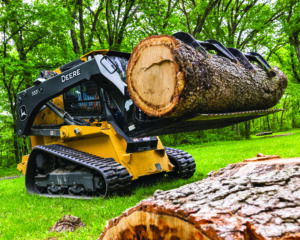
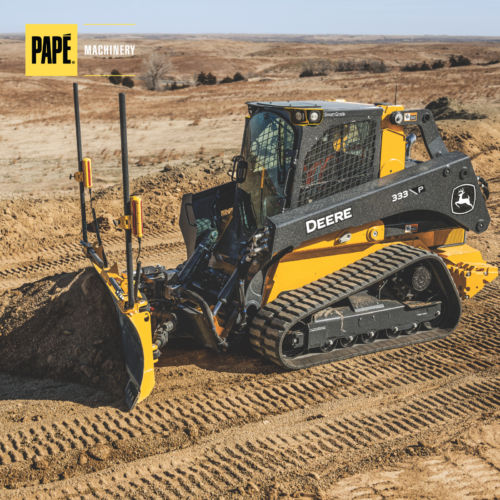
- Compact Track Loaders: Best for soft, muddy, or uneven ground where traction and flotation are critical. Their low ground pressure helps protect lawns, finished grades, and pavers during site prep and landscaping.
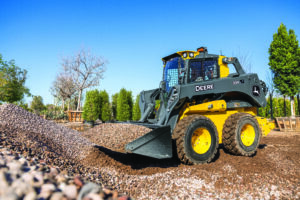
- Skid Steers: Ideal for hard-packed yards, concrete, asphalt, and tight urban projects. Tires perform well on abrasive surfaces and maneuver quickly in confined spaces.
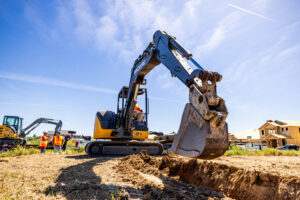
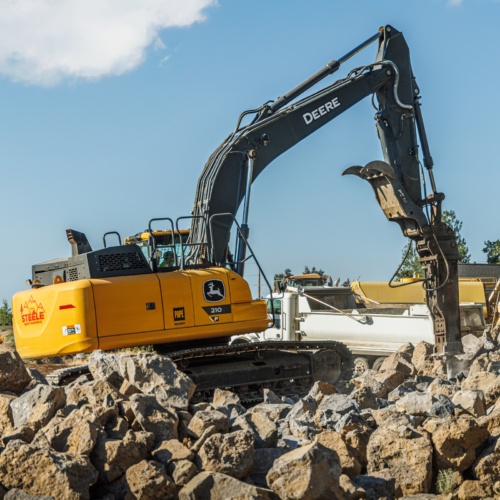
- Compact Excavators: Perfect for trenching, utilities, foundations, and work near structures, especially with zero or reduced tail swing designs that let operators dig alongside buildings, walls, and traffic with less risk of contact.
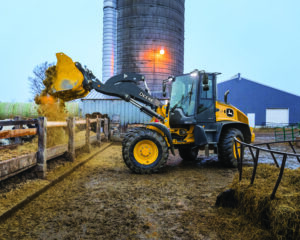
- Compact Wheel Loaders: Good for high-volume material handling, snow removal, feed or aggregate yards, and sites where travel speed and visibility are critical.
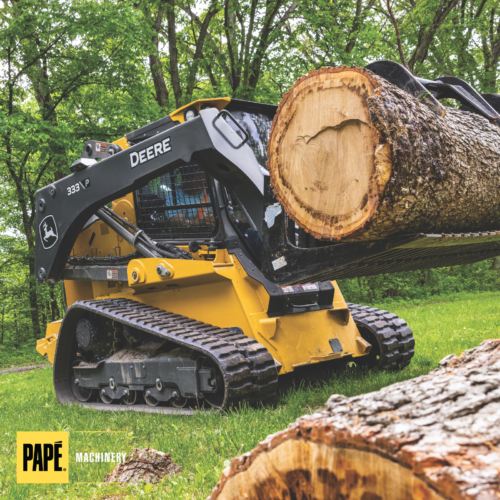
- Attachments: Buckets, forks, augers, trenchers, blades, and brooms expand capability and allow a single machine to handle multiple scopes of work.
Key Specs and Features to Compare
Once you’ve selected the machine type, it’s time to focus on performance. A few core specs usually drive day-to-day productivity and safety:
Operating or Lift Capacity
Make sure the machine can comfortably handle your heaviest routine loads, not just average ones. This reduces strain on the equipment and cuts down on risky workarounds.
Horsepower and Hydraulic Flow
These matter especially for high-demand attachments such as mulchers, cold planers, and heavy trenchers. Check both standard and high-flow options if you rely on aggressive hydraulic tools.
Lift Path on Loaders (Radial vs. Vertical)
- Radial Lift: Generally better for digging and grading work where breakout force at mid height is important.
- Vertical Lift: Often preferred for loading trucks and hoppers because it maintains reach and stability at full height.
Underfoot Choices (Tracks vs. Tires)
- Tracks: Provide strong traction and low ground disturbance on soft or sensitive surfaces but often cost more to maintain.
- Tires: Often more economical on hard abrasive ground and can be a better fit for yards, concrete, and asphalt-heavy work.
Comfort Visibility, and Technology
Look for:
- Clear sightlines to the attachment and surroundings
- Intuitive controls that match your operators’ preferences
- Telematics like JDLink to help you support operators, manage fleets, and schedule maintenance proactively
Make the Most of Papé Machinery’s Equipment Offers
Contact your nearest Papé Machinery Construction & Forestry location or visit the Specials page to lock in the best combination of machine, support, and financing for your operation.