


With cold weather fast approaching, it’s crucial to keep your construction equipment up to speed in the wake of snow, frost, and freezing temperatures.
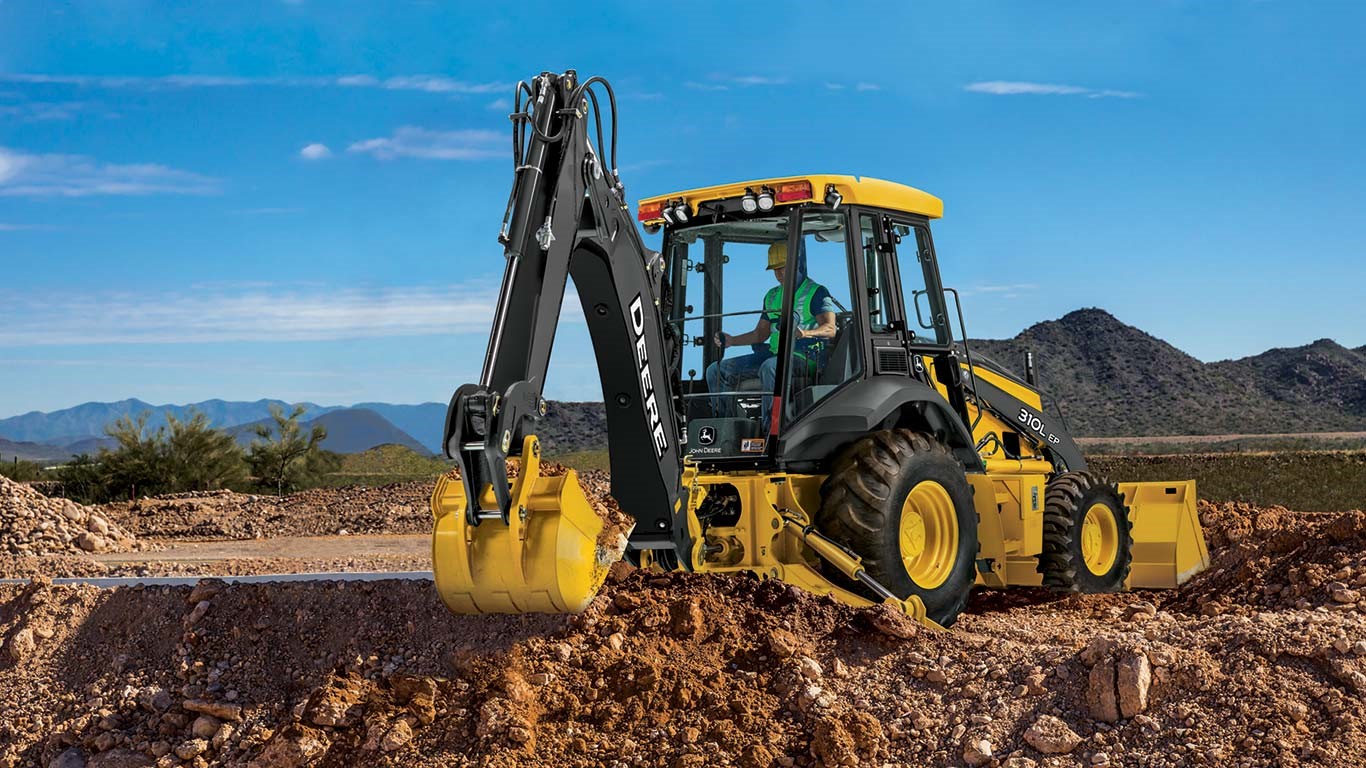
While John Deere backhoes are built for even the toughest conditions, there are still precautions you can take to maintain and increase the lifespan of your backhoe. By practicing proper backhoe maintenance and inspecting your engine, battery, fluids, and tires before the cold winter months arrive, you can avoid equipment failure and increase productivity throughout the winter.
To help you keep up with this preventive maintenance, we’ve compiled a comprehensive heavy equipment winterization checklist. Read on for more.
Plan for Storage
- Refer to your owner’s manual for storage tips and preventative maintenance guidelines, as different backhoe models will require versatile winterization processes.
- Park your backhoe on a hard, level surface to keep the tires from freezing to the ground.
- Remove debris and mud before leaving equipment sitting to avoid freezing in the track component.
- Complete a thorough walk-around of your backhoe, performing preventative maintenance when necessary and checking fluid levels, leaks, belts, and battery electrolyte level.
- Replace old wiper blades to prepare for snowy conditions.
Clean Your Machine
- Remain vigilant in removing snow, ice, and mud off your backhoe in regular service intervals to avoid build-up.
- Clean track components before and after each use.
- Drain water and sediment from the fuel/water separator when temperatures are above freezing.
- Pressure wash your undercarriage before freezing temperatures hit.
Prepare Your Engine
- Check the manufacturer lubrication chart to learn the viscosity of current fluids; if the viscosity of your fluid is listed as NOT acceptable in your current temperature range, it’s a good idea to switch to winter-grade fluids as soon as temperatures fall below 32 °F.
- Check your fuel filters to ensure they’re free of debris and functioning properly.
- Use the manufacturer recommended winter formula of John Deere Premium Diesel Fuel Conditioner to treat non-winter grade fuel before winter temperatures hit.
- Invest in an engine-block heater to aid in engine start-up.
- Inspect the air filters, hoses, and belts on your air compressor.
- Test the mechanics of the front loader and rear bucket.
- Run your backhoe at half speed for the first 15 minutes of operation to give hydraulic oil ample time to heat up.
- When leaving your worksite, let your backhoe sit idle for a few minutes to let engine oils cool down.
Test Your Battery
- Fully charge your battery in the fall, prior to freezing temperatures.
- Load-test your battery; winter work requires up to twice as much cranking.
- Disconnect your battery when storing your backhoe.
- Securely tighten battery wiring when starting up your machine after each storage period.
Inspect Your Tires
- Check backhoe tire pressure before each use, and bring tire air pressure up to (COLD) ratings when necessary. Tire air pressure requirements are labeled on the sidewall of the tire.
- Note any leaks, cuts, and tread wear in each tire and track, and replace worn tires before the tough winter seasons.
- Screw correct stem caps tightly to avoid condensation and moisture buildup.
Final Thoughts
At the end of the day, no one knows your equipment better than you; when preparing construction equipment for winter. The most important part is to pay attention to any damage, leaks, or other abnormalities. If you’re still having problems, our team at your local Papé Machinery dealer is here to help, offering everything from expert advice to John Deere backhoe repair. As your certified John Deere construction dealer, we will live up to our promise to keep you moving, even in the coldest time of year.