


Spring is a busy season for land clearing and property improvement. Crews are clearing storm debris, reopening access roads, and reclaiming overgrown areas. A mulching machine can make those jobs faster and more productive by turning brush, saplings, and limbs into manageable ground cover.
That ground cover does more than tidy up a site. Mulch helps reduce hauling, limits burn piles, and leaves behind organic material that can support erosion control and ongoing land management. When the right attachment is paired with the right carrier, operators can clear efficiently while maintaining better control over finish quality and operating costs.
What Is a Mulching Machine?
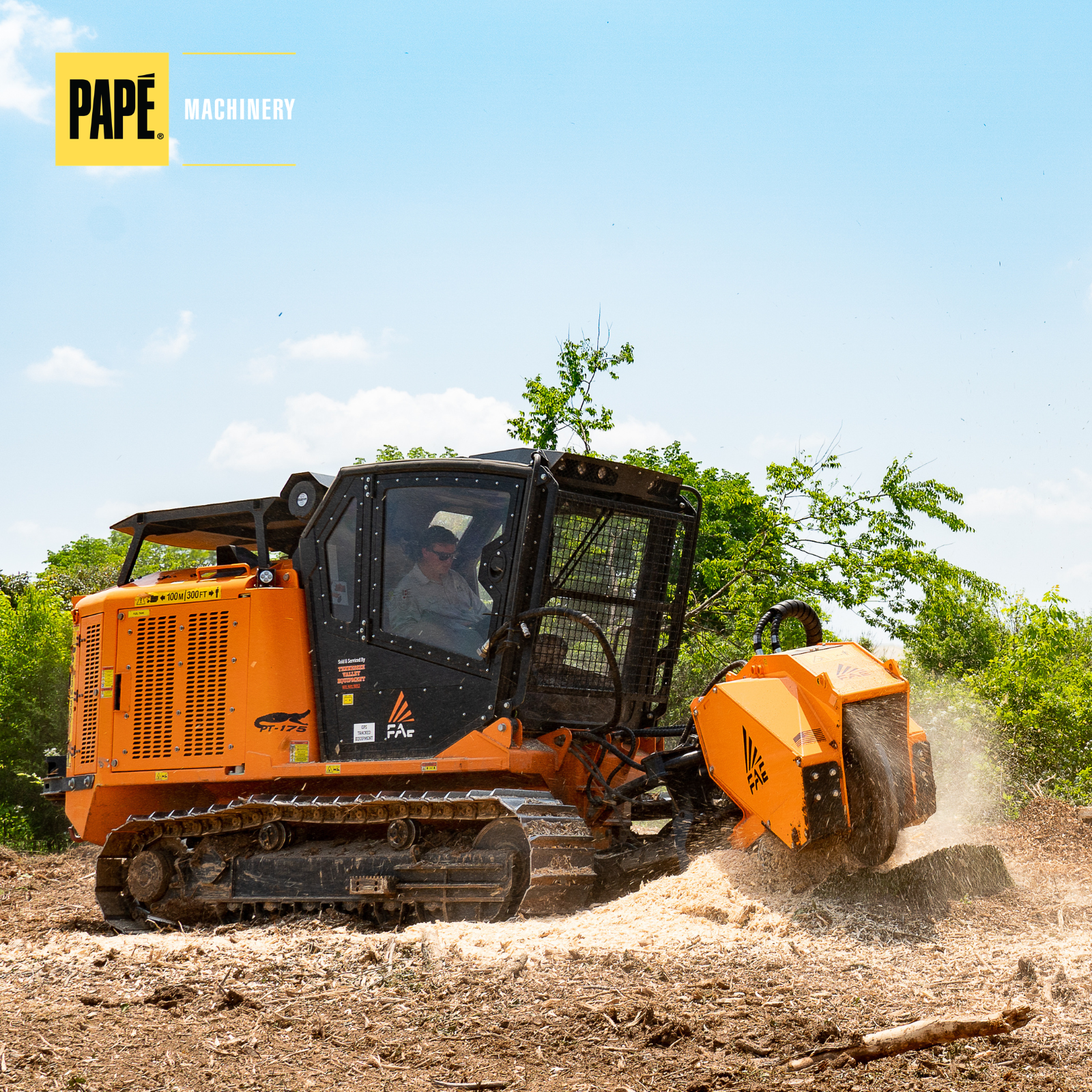
A mulching machine is a land-clearing tool that uses a rotor and cutting tools to shred vegetation. Depending on the setup, it can process grass, brush, branches, saplings, stumps, and larger woody material. Current FAE land-clearing solutions include forestry mulchers, tillers, stump cutters, rotary cutters, stone crushers, and multitask heads.
In the field, mulchers are commonly used for:
- Right-of-way and roadside vegetation maintenance
- Site preparation for construction or forestry work
- Orchard, vineyard, and pasture cleanup
- Canal, river, and pond overgrowth control
- Fire mitigation and habitat improvement
Why Mulching Equipment Matters on the Job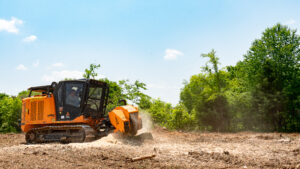
A good mulching setup helps crews cover more ground with fewer handling steps. Instead of cutting, piling, and hauling material separately, everything is processed and left in place in a single pass. For contractors and landowners on tight schedules, that efficiency directly reduces labor and equipment time.
Mulching also supports a cleaner final result. Modern heads are designed to deliver consistent shredding performance. Several current FAE models include features that improve productivity and control, such as Bite Limiter technology, variable torque motors, and Sonic systems that help optimize hydraulic performance on compatible machines.
Once you understand what mulching can do, the next step is choosing the right setup.
Choosing the Right Mulching Machine
The best machine for your job starts with three key decisions: your carrier, your material, and your production goals.
1. Match the Mulcher to Your Carrier
Carrier compatibility is the first filter. FAE offers hydraulic-driven heads for skid steers and excavators, plus PTO-driven heads for tractors. That flexibility makes it easier to add mulching capability to machines already in your fleet.
A few examples from the current lineup:
- Skid Steer Mulchers: Models in this category cover machines from about 45 to 135 hp. Light-duty options like the BL1/SSL/VT handle material up to 4 inches, while heavier models such as the BL4/SSL can tackle material up to 12 inches in diameter.
- Excavator Mulchers: Compact excavator options such as the PML/EX fit smaller machines for lighter vegetation work, while larger units like the BL4/EX/VT are built for 18- to 25-ton excavators, mulching logs up to 12 inches in diameter.
- Tractor Mulchers: PTO-driven units serve a wide range of horsepower classes. The UML/ST and FML/ST are designed for 50 to 110 hp tractors, while heavier-duty models such as the UMM/DT and UMH series are built for larger land-clearing applications.
2. Consider the Type and Size of Material
Grass, brush, vines, saplings, and larger timber call for different cutting systems and power levels. Before choosing a model, look closely at:
- Maximum material diameter
- Available machine horsepower or hydraulic flow
- Terrain and site access
- Desired finish after mulching
- Daily production targets
3. Think Beyond Clearing
Some jobs demand more than brush reduction. Stone crushers and multitask heads can help reclaim rough ground, prep roads, or improve tillable areas when rock and soil conditions are part of the challenge.
For properties that need repeated maintenance over time, that broader land management capability can be just as important as raw mulching power.
Choosing a Mulching Machine With Confidence
The most effective mulching setup is one that matches your equipment, the material you’re working with, and your pace of work. Whether you’re planning spring cleanup, fuel reduction, site development, or year-round vegetation management, it helps to start with the job requirements and build from there.
Our team can help you compare FAE mulching and land-clearing equipment, identify the right attachment style, and match it to the carrier and working conditions. Contact your nearest Papé Machinery Construction & Forestry location to learn more.