


Fall can bring a valuable window for forestry work, but changing ground conditions, shorter days, and demanding workloads can quickly put equipment to the test. Whether the job involves clearing vegetation, processing timber, moving material, or preparing a site for the months ahead, having the right equipment ready can help crews stay productive as conditions change.
Preparation starts with more than choosing a machine. Taking time to match the setup to the job can help improve productivity, reduce unnecessary equipment changes, and keep fall forestry projects moving.
Choose Equipment Around the Work
Whether the job involves clearing vegetation, processing timber, moving material, or preparing a site for the months ahead, each application places different demands on a machine.
Mulchers for Clearing and Vegetation Management
Mulching equipment can handle brush clearing, understory management, utility corridors, site preparation, and other vegetation-control work. Instead of cutting material and then returning to collect or haul it, mulchers process brush, saplings, stumps, and woody debris directly on site.
FAE offers several equipment configurations for this type of work. Hydraulic mulching heads can pair with excavators and skid steers, while PTO-driven heads support tractor-based applications. Dedicated tracked carriers bring more power and stability to demanding clearing jobs, particularly on uneven or heavily vegetated terrain.
Feller Bunchers and Harvesters for Thinning
Larger thinning projects call for machines designed specifically to work with standing timber. John Deere feller bunchers cut and gather trees, giving operators greater control over how timber is placed before extraction. Harvesters add processing functions such as delimbing, allowing crews to complete several steps with one machine. These machines can be especially valuable when precise cutting and material handling are priorities throughout a thinning project.
Skidders and Forwarders for Timber Extraction
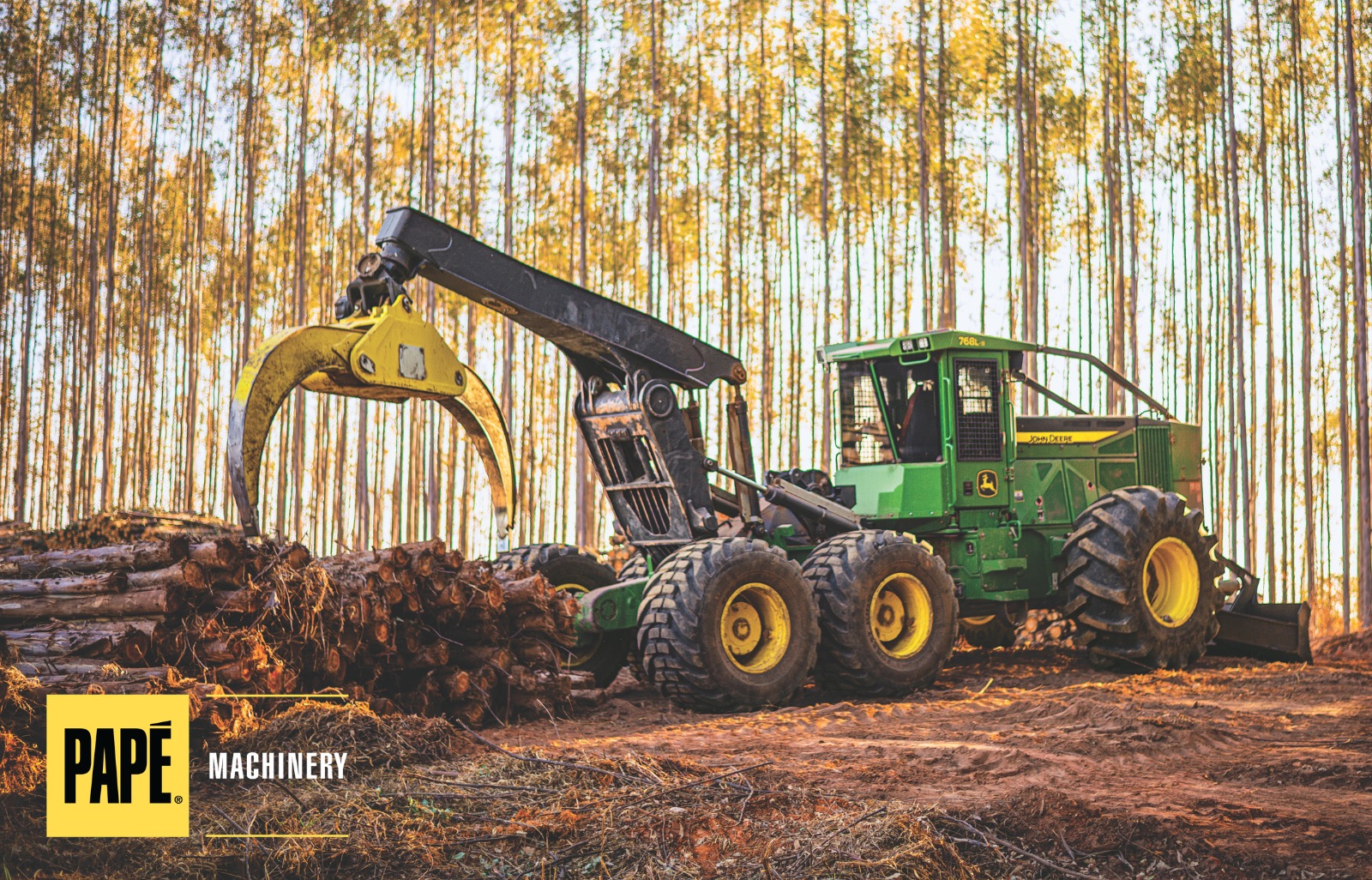
Once trees are down, they still need to reach a landing or processing area. Skidders drag timber across the ground and are designed for rugged terrain and demanding extraction work, while forwarders carry logs on the machine, keeping the load off the ground during transport.
Slope, travel distance, soil conditions, access, and timber volume should all factor into the choice. Thinking through extraction before cutting begins can also help crews avoid creating unnecessary bottlenecks later in the job.
Get More Work Out of Existing Machines
Specialized forestry equipment is valuable on high-production jobs, but equipment already in the fleet can take on additional work with the right attachments.
- Forestry mulchers and brush cutters for vegetation removal
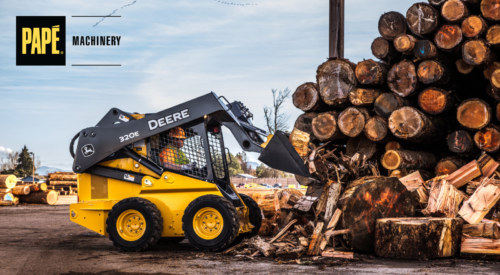
- Grapples for handling limbs, logs, brush, and debris
- Stump grinders and cutters for clearing sites
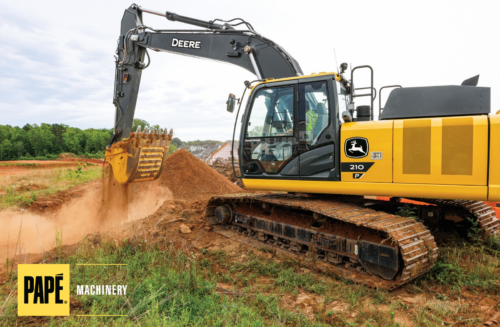
- Buckets for grading, cleanup, and material handling
Carrier compatibility matters just as much as attachment capability. Before pairing a tool with a machine, connect with a Papé Machinery team member to learn which attachment works correctly for your machine.
Inspect Machines Before the Workload Increases
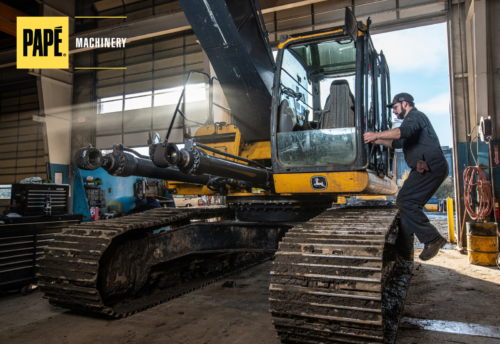
Fall jobs can place equipment in remote areas where downtime becomes especially disruptive. A preseason inspection and preventive maintenance gives crews a chance to address wear before machines are committed to the field. Key areas to check include:
- Tracks, Tires, and Undercarriage: Look for wear or damage that could become a problem on soft or uneven ground.
- Hydraulics: Inspect hoses, fittings, fluid levels, and attachment connections.
- Cutting Components: Check mulcher teeth, saw components, brush-cutter parts, and other wear items.
- Filters and Fluids: Complete any scheduled service that will come due during the season.
- Lights and Visibility: Make sure work lights, cameras, mirrors, and windows are ready for shorter days.
- Critical Spare Parts: Keep commonly replaced wear items available for field repairs.
Fluid analysis, scheduled maintenance, inspections, and remote diagnostic tools can also help identify developing issues before they turn into downtime.
Add Seasonal Capacity With Rentals
Some fall projects require equipment that may only see occasional use during the rest of the year. Rental equipment can help add capacity during a busy stretch or provide access to a specialized machine without committing to a purchase.
Depending on the project, rental options may include brush cutters, land-clearing equipment, feller bunchers, harvesters, skidders, log loaders, and other forestry machines. Consider the length of the project, expected utilization, transportation, maintenance needs, and future workload when deciding between renting and purchasing.
Get Ready for Fall Forestry Work
A productive fall starts with matching equipment to the work and making sure machines are ready before conditions become more demanding. Papé Machinery Construction & Forestry can help with John Deere forestry equipment, FAE land-clearing solutions, attachments, rentals, parts, and service support. Contact your local Papé Machinery Construction & Forestry to prepare your fleet for the season ahead.