


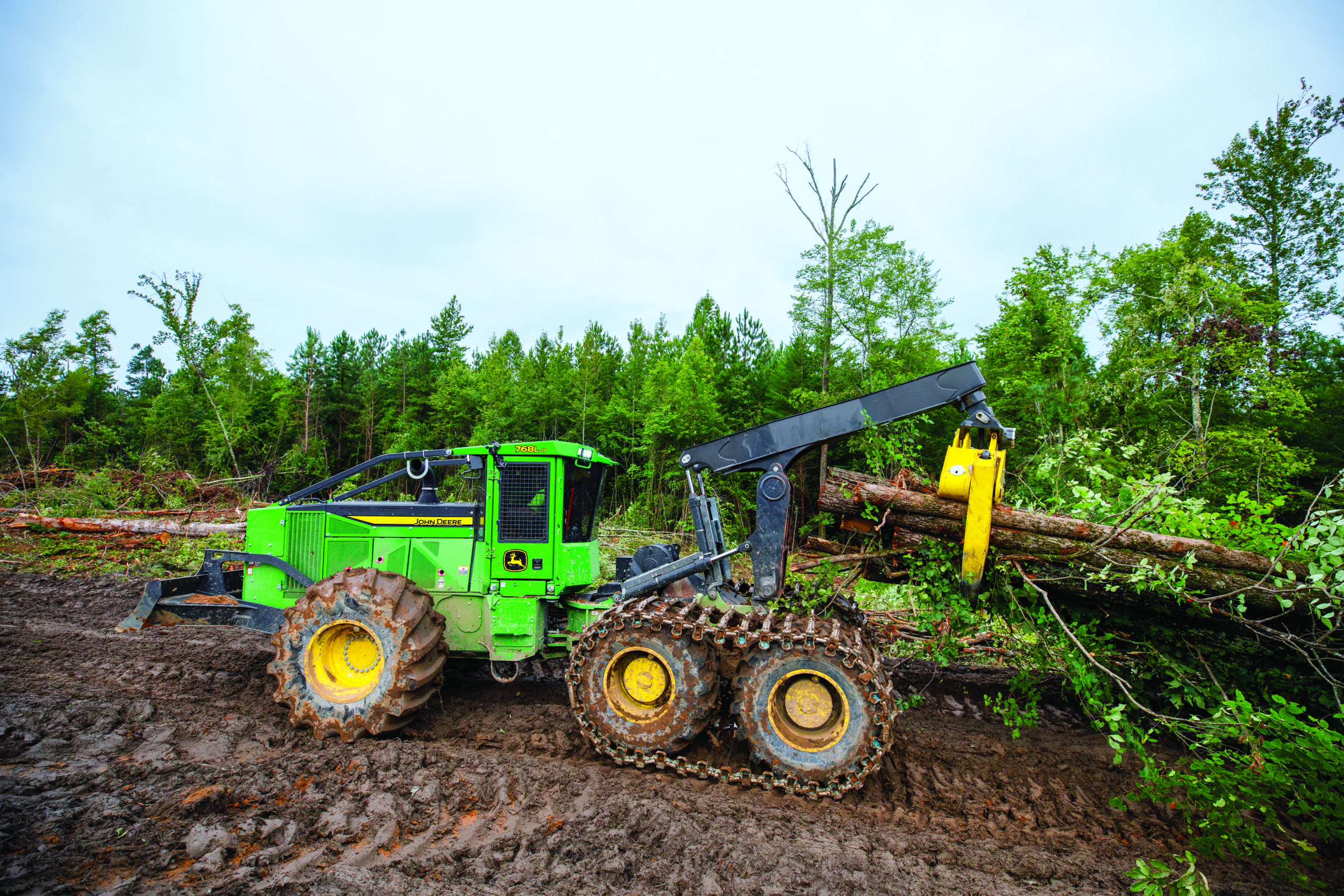
Rain can quickly turn a productive jobsite into a muddy, high-wear environment. Water, mud, slick access roads, and material buildup create challenges beyond traction and visibility. They also affect equipment condition in ways that are easy to miss during a busy shift.
Wet weather gives mud more chances to cling to tracks, tires, steps, guards, and cooling areas. Moisture can sit on exposed surfaces, grime can collect around moving parts, and small issues can remain hidden until they grow into costly repairs. A strong cleaning and inspection routine during rainy stretches helps protect uptime, improve safety, and keep machines ready for the next day. Wet conditions also change how the ground behaves, adding weight and creating slick material that sticks to tools and running surfaces.
Why Wet Weather Changes the Maintenance Equation
Rainy conditions put more stress on equipment than many crews realize. Mud packs into undercarriages, articulation points, steps, and protective guards. Debris mixed with moisture can also restrict airflow around radiators, coolers, and engine compartments, which makes cleaning more than a cosmetic task.
Moisture also creates the right environment for corrosion and contamination. Electrical connectors, exposed metal, seals, and hose fittings all deserve a closer look after repeated exposure to wet conditions. Buildup on glass, lights, mirrors, and cameras can reduce visibility, while muddy steps and grab points create an avoidable safety risk for operators and technicians.
Spring weather may pass through quickly, but the wear it leaves behind can stick with a machine long after the ground dries out.
Start with Proper Cleaning
A quick rinse may knock loose the surface layer, but it rarely solves the real problem. Packed mud and debris require additional attention, especially in areas where weight, friction, and heat come together.
Focus first on the places where wet material collects fastest:
- Undercarriages, tracks, tires, and rollers
- Steps, ladders, and handholds
- Pins, bushings, and articulation points
- Attachment connection areas and couplers
- Radiators, coolers, screens, and engine compartments
- Cab glass, mirrors, lights, and camera lenses
The goal is to remove heavy buildup before it hardens or traps moisture in critical areas. If you’re pressure washing, take special care around seals, electrical connections, decals, and other sensitive components. A deliberate cleaning routine gives your team a much better chance of spotting wear, leaks, or damage before the next shift begins.
Inspect the Areas Wet Weather Affects the Most
Once the machine is clean, the next step is identifying the trouble spots that wet conditions tend to accelerate.
Start with the undercarriage or running gear. Look for packed debris, unusual wear patterns, cuts, missing hardware, and issues with track tension or tire condition. Mud and grit can create extra wear on moving surfaces, so pins, bushings, and joints should also be checked and lubricated as needed.
Then move to hoses, seals, and fittings. Wet material can hide abrasions, rubbing, cracked outer layers, and early leaks. Filters and breathers also deserve attention, especially when contamination is a concern. Finish by checking lights, sensors, connectors, and attachment contact points so the machine is clean, functional, and ready to return to work.
Rain rarely causes a breakdown in a single day. More often, it speeds up small problems that eventually lead to unplanned downtime.
Adjust Your Routine for the Season
Wet weather often calls for tighter maintenance habits. Service intervals that work during dry conditions may need a closer review during rainy periods, especially when machines are running through mud day after day.
A practical seasonal routine can include:
- More frequent walk-arounds during wet stretches
- Faster reporting of leaks, warning lights, and unusual sounds
- Closer attention to lubrication points exposed to moisture and grit
- Fluid sampling when contamination is a concern
- Better recordkeeping to track repeat issues across the fleet
Operator Habits Matter
Operators are the first line of defense during wet-weather operations. Strong pre-shift and post-shift checks help catch problems early, especially when crews know what to watch for.
Encourage operators to report:
- Visibility issues from mud or spray
- Sticky controls or unusual machine response
- Warning lights or electrical problems
- Changes in traction or undercarriage performance
- New leaks, noises, or vibration
Consistent habits across the crew make it easier to catch issues while they are still manageable.
Keep Support Close When Conditions Get Tough
Strong dealer support matters. Papé Machinery Construction & Forestry supports operations across the West with dozens of locations in Oregon, Washington, California, Nevada, Idaho, and Hawaii, along with expert service, field and shop repair, factory-trained technicians, remote diagnostics, inspections, and access to a large OEM and aftermarket parts inventory.
Spring rain is unavoidable. Preventable downtime is a different story. A consistent wet-weather routine built around cleaning, inspection, and timely service helps extend machine life, improve jobsite safety, and keep your fleet working through a demanding season. When rainy conditions start putting extra strain on your equipment, reach out to your local Papé Machinery team for parts, service, and preventive maintenance support.