


Roadbuilding crews are working in tighter operating environments than ever. Owners and agencies expect smooth finished surfaces, consistent density, ride quality, and dependable production. Contractors must balance labor constraints, material costs, safety demands, and narrow paving windows. In this environment, paving technology has become a practical advantage on the jobsite.
Paving technology is about more than adding more features to your equipment. It’s about building a smarter process across the full paving cycle, with equipment, controls, machine data, and support systems all working together. The goals are clear: make work easier and more efficient, improve productivity, enhance safety, and catch problems early enough to avoid costly downtime.
What Modern Paving Technology Looks Like
Modern asphalt paving technology covers the systems and equipment that help crews prepare the surface, place material accurately, compact to spec, and keep your entire operation moving. In practice, this include:
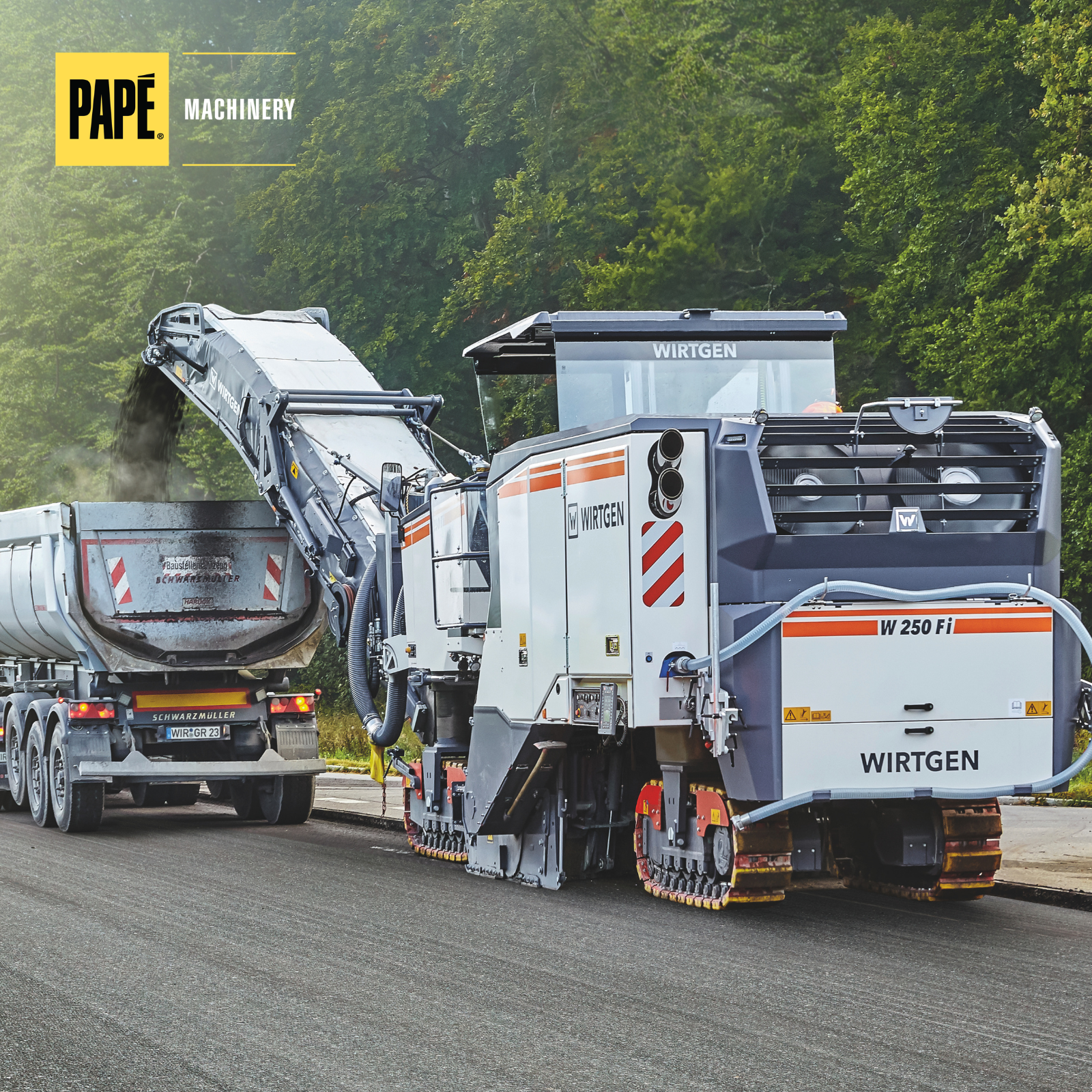
- Cold milling and surface preparation
- Recycling and soil stabilization
- Road pavers and screeds
- Rollers and compaction systems
- GPS, laser, and grade-control tools
- 2D and 3D machine-control solutions
- Telematics, remote diagnostics, and machine monitoring
How Smart Equipment Improves Paving Precision
Smart paving equipment and grade control technology help crews hold tighter control over variables like thickness, slope, elevation smoothness, and compaction.
- Improved reference systems and positioning tools make it easier to maintain target grade.
- Machine-control inputs support more consistent mat placement.
- Compaction visibility helps teams understand coverage and pass patterns more clearly.
When these tools are dialed in, crews can reduce guesswork.
The payoff is practical. Better precision can reduce rework, improve safety, and increase efficiency. It can also help crews manage labor constraints more effectively.
The Role of Connected Support and Uptime Technology
Surface quality is only one side of the equation; the other is uptime. Paving schedules don’t leave room for interruption. When one machine goes down, schedules tend to move quickly in the wrong direction. This is where connected support becomes a major part of paving technology. JDLink Telematics, Expert Alerts, and Remote Diagnostics and Programming are designed to identify issues earlier and support faster response. A connected support approach can strengthen roadbuilding operations in several ways:
- Improves visibility into machine performance and status
- Helps service teams catch developing issues sooner
- Supports faster troubleshooting and more informed maintenance decisions
- Reduces unplanned downtime during critical paving windows
What This Means for Fleet Managers
Modern paving technology is not just about performance—it’s about managing cost, uptime, and predictability across your fleet. For operations teams, these systems can:
- Reduce rework and material waste
- Improve jobsite consistency across crews
- Provide real-time visibility into machine performance
- Support proactive maintenance planning
- Help standardize processes across multiple jobsites
Why the Full Roadbuilding Process Matters, Not Just the Paver
Great paving results start before the paver even begins placing material. The quality of the finished surface depends on how well the entire process is coordinated. This process-driven approach is one reason the full roadbuilding lineup matters:
- Wirtgen equipment supports milling, recycling, and soil stabilization applications.
- Vögele pavers handle asphalt placement with a focus on precision and paving performance.
- Hamm rollers bring advanced compaction technology into the train.
- Topcon RD-M Scanner enable efficient, drive-by data collection, allowing crews to scan miles of roadway without costly lane closures or rework.
When contractors can source these capabilities through one support network, the conversation shifts. It becomes less about buying a single machine and more about building a coordinated paving solution for the jobs they actually run. That is especially important for crews that need consistent support across multiple project types and multiple locations in the West.
Matching the Right Paving Technology to the Job
Not every job requires the same level of technology. When evaluating paving technology, contractors should look at a few core factors:
- Project size and production targets
- Material demands and paving width requirements
- Site access and maneuverability
- Finish quality and spec requirements
- Availability of parts, service, rentals, and local support
That kind of support can make a real difference when a crew needs to move quickly on a new opportunity or keep an active project on schedule.
Technology Is Changing Paving, and Support Matters
Modern paving technology is helping contractors improve precision, production efficiency, uptime, and jobsite safety. Smarter controls, connected systems, and integrated roadbuilding solutions all contribute to better outcomes on the ground. The biggest gains come when the right machines, the right technology, and the right support structure are working together. That is what helps crews move through the full paving process with more confidence, more consistency, and fewer costly interruptions.
If your team is looking at ways to strengthen roadbuilding performance, contact your local Papé Machinery Construction & Forestry store to explore paving equipment, technology solutions, rentals, parts, and service support built for the way contractors work.