


When the rain lets up and the sun comes out, roadwork season kicks into gear. Across the West, summer gives contractors, municipalities, and road crews the weather window they need to repair streets, improve drainage, rebuild surfaces, and prepare roads for the rainy season ahead.
Potholes, rutting, broken shoulders, poor drainage, and failing base materials all need attention before the rain returns. The proper roadbuilding equipment helps crews get the most out of every clear workday.
Why Dry Weather Matters
Road repairs start before any fresh asphalt goes down. Crews need a stable worksite, proper drainage, a prepared base, and the right temperature window for paving and compaction.
Wet soil can weaken the subgrade. Standing water can interfere with excavation, grading, and compaction. Moisture trapped in damaged pavement can also shorten the life of a repair. Warm, dry weather gives crews greater control over the jobsite.
Asphalt work is especially time sensitive. Mix temperature, air temperature, roller timing, compaction patterns, and surface conditions all work together. Dry, predictable weather gives crews a better chance to hit density targets and build a surface that holds up under traffic.
Start with Site Prep
Strong road repairs start with a clean, stable base. Before milling or paving starts, crews may need to remove damaged material, clear debris, reshape shoulders, correct drainage, or excavate soft sections. Common site prep equipment includes:
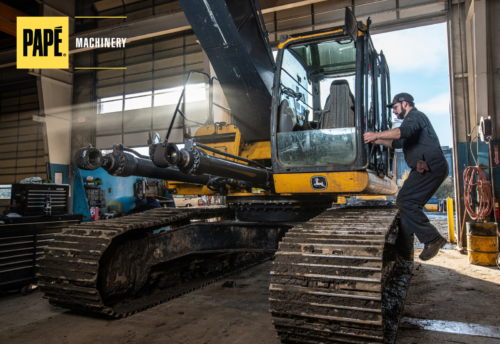
- Excavators for digging, trenching, drainage work, and material handling
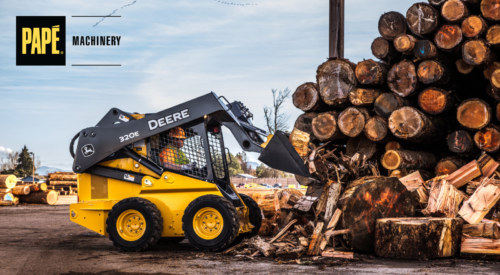
- Compact track loaders and skid steers for cleanup, tight spaces, and attachment work
- Wheel loaders for moving aggregate, asphalt, and jobsite materials
- Dozers for rough grading, shaping, and base work
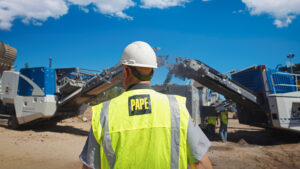
A residential road may need compact equipment that can maneuver around utilities and tight access points. A larger roadway project may call for excavators, dozers, wheel loaders, dump trucks, and attachments working together to keep material moving.
Grading Sets the Road Up for Success
A smooth road starts below the surface. Grading establishes the slope, crown, shoulder shape, and drainage path that keep water moving off and away from the roadway. When water collects on or along the edge of a road, it can weaken the base and speed up cracking, rutting, and pothole formation.
Motor graders play an important role in roadbuilding because they give crews precise blade control for fine grading and slope management. They are especially useful for:
- Highway and roadway construction
- Subgrade preparation
- Drainage and ditch shaping
- County and rural road maintenance
- Fine finish grading before paving
John Deere motor graders are built for demanding roadwork, including highway construction, municipal maintenance, site development, and subgrade preparation.
Milling: Remove the Damage First
Many summer road repairs start with milling. Crews remove damaged pavement to create a cleaner, more consistent foundation for the next layer.
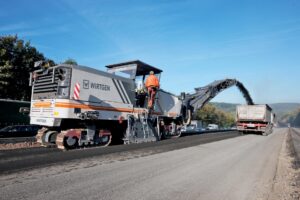
Milling corrects uneven surfaces, removes ruts, improves tie-ins around curbs or utility covers, and prepares the road for a smoother finished surface. Wirtgen milling machines provide the power needed for roadways, highways, and surface removal. For smaller repair areas, cold planer attachments can help crews cut and remove asphalt effectively and efficiently.
Paving Equipment for the Summer Push
Once the base is ready, paving crews need steady production. Asphalt has a limited working window, so material handling, placement, and rolling all need to stay coordinated.
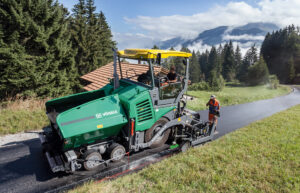
For commercial paving, city streets, parking lots, and road repairs, LeeBoy commercial class pavers offer the durability and precision crews rely on for high-quality placement. For larger roadways and extensive highway work, Vögele highway class pavers support productive, consistent asphalt placement across demanding projects.
Compaction Brings Strength Together
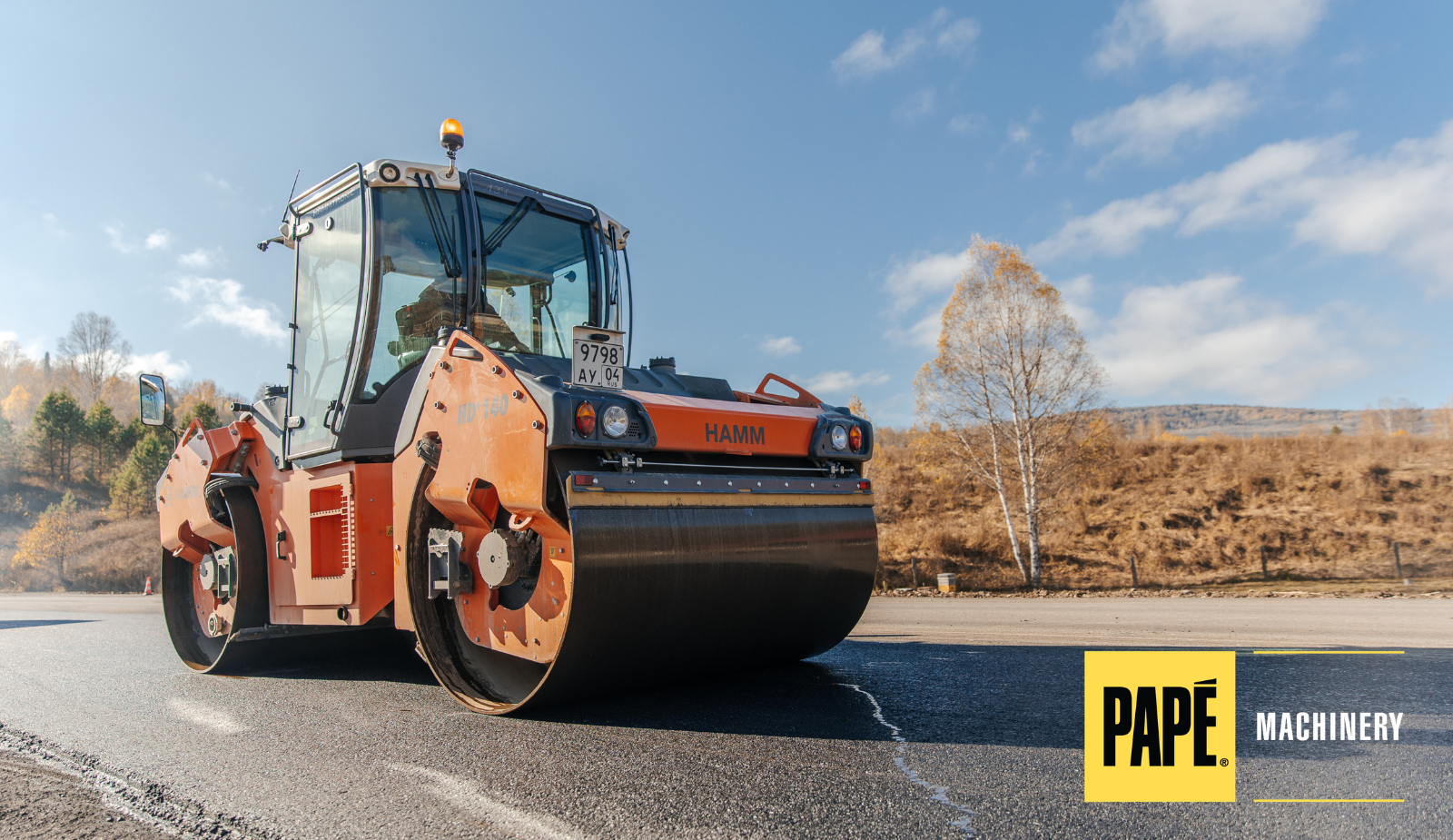
Compaction is one of the most important steps in building a durable road. Proper compaction helps reduce air voids, improve load-bearing strength, and limit early pavement failure.
Dry weather gives crews a better opportunity to complete compaction consistently. With fewer moisture issues and more predictable temperatures, operators can focus on timing, rolling patterns, and finish quality.
Make the Most of the Dry Weather Window
When the rain stops, the roadwork clock starts. Summer gives crews the conditions they need to repair damaged streets, improve drainage, rebuild bases, restore smooth surfaces, and prepare roads for the seasons ahead.
At Papé Machinery Construction & Forestry, we help roadbuilding crews find the right John Deere and Wirtgen Group equipment for the job, including earthmoving machines, motor graders, milling equipment, pavers, rollers, attachments, and support tools. Contact your local Papé Machinery Construction & Forestry location to compare equipment options, explore rentals, schedule service, or get help preparing for your next street repair or paving project.