

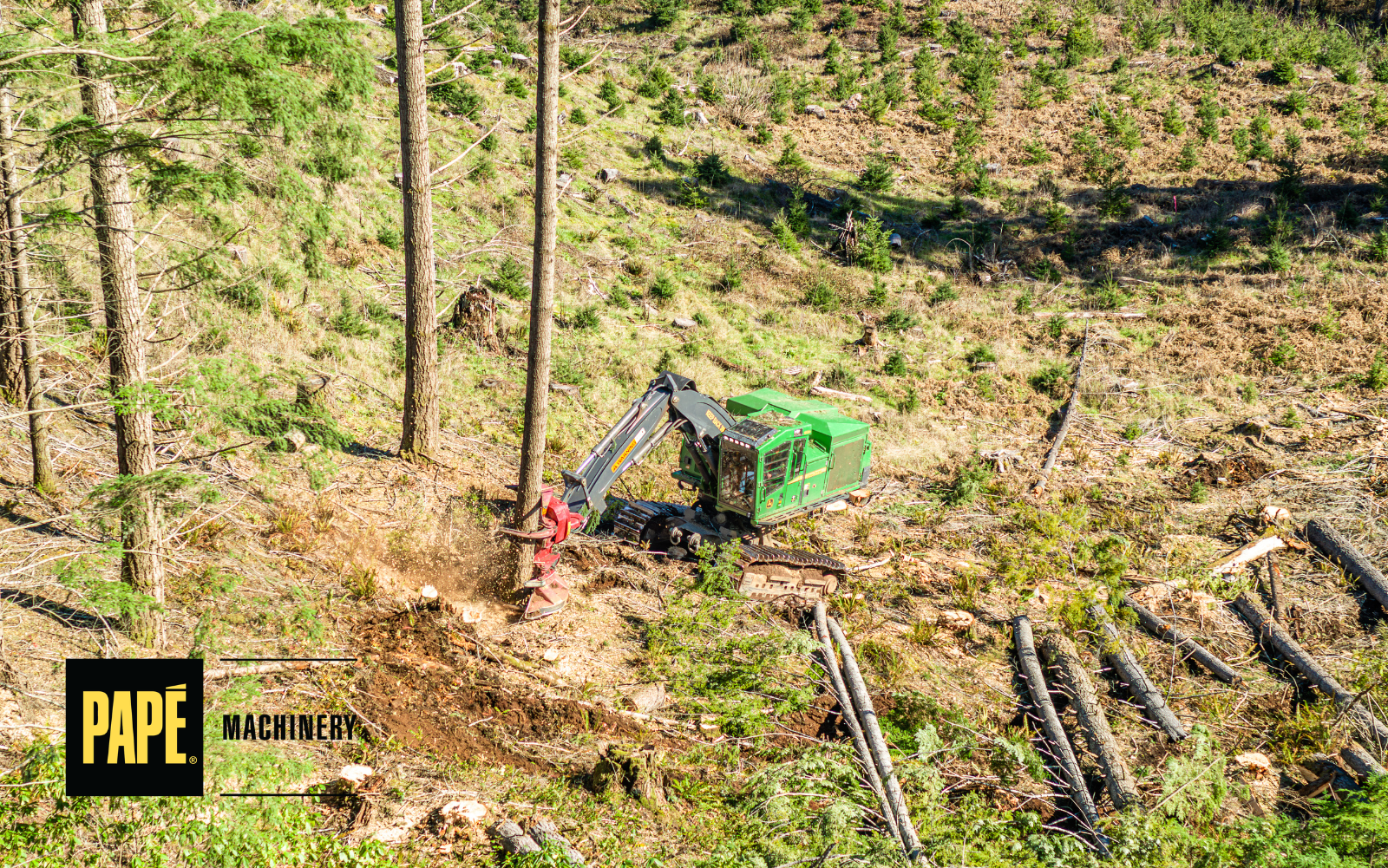
Wildfire risk depends on weather, terrain, ignition sources, and fuel. You can’t control the weather, but you can reduce the amount of dry material available to burn. The U.S. Forest Service identifies mechanical treatment, including thinning, pruning, piling brush, and creating fuel breaks, as a way to reduce the probability of catastrophic fires and protect nearby communities.
On a forestry or land-management site, look for slash piles, deadfall, dry grass, low limbs, brush, sawdust, and vegetation growing close to access roads or equipment yards. Reducing those fuel sources can help slow fire movement, improve emergency access, protect timber and infrastructure, and keep critical work moving during peak fire season.
Start With a Pre-Season Site Walkthrough
Even before staging machines, take the time to walk the site and make a plan. Mark dry brush, slash, downed trees, roads, trails, gates, staging areas, water access points, steep slopes, tight corridors, structures, fences, tanks, utilities, and storage areas. Review local fire restrictions, operating rules, and access requirements before crews get started.
Planning ahead also helps reduce unnecessary machine movement and rework. Moving material twice wastes time and increases equipment use during dry, high-risk conditions.
Clear Debris and Process Material Safely
Fuel reduction is the core of forestry fire mitigation. The goal is to remove or process material that could feed a fire, especially near roads, structures, right-of-way corridors, and active work zones.
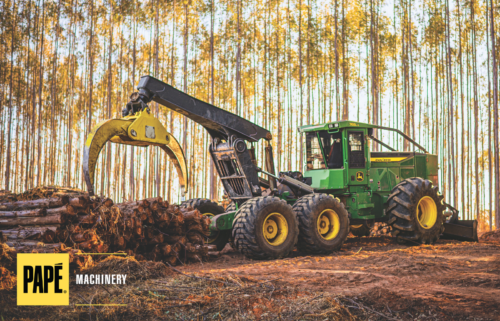
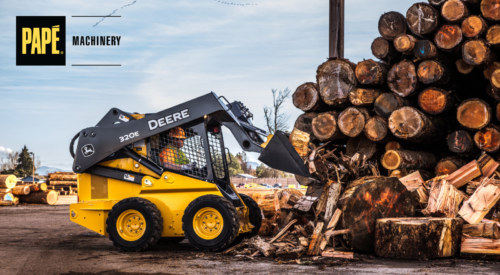
Compact track loaders and skid steers are helpful for tight areas, small properties, and attachment-driven work. Excavators can lift, sort, pull, and place heavy debris with precision. Wheel loaders are useful when crews need to move brush, logs, soil, rock, or processed material. For heavier land-clearing projects, forestry machines and purpose-built attachments can help cover more ground.
Where chipping or grinding makes sense, processing material on-site can reduce piles and make cleanup more efficient. In other areas, hauling material away may be the safer choice. Match the approach to the site, the vegetation, and local requirements.
Build and Refresh Firebreaks
A firebreak is a cleared or reduced-fuel strip designed to interrupt a fire’s path and create a safer control line or access route. Firebreaks should be planned around each property’s terrain, vegetation, and operational needs.
Good places to evaluate include shops, barns, fuel tanks, equipment yards, roads, trails, utility corridors, high-value timber, staging areas, water access points, and active work zones.
Dozers are often a strong choice for larger firebreaks, rough grading, and clearing lines. Motor graders can help maintain access roads and control lines. Excavators can remove stumps, trees, and large obstacles. Compact equipment can work in narrow corridors or around buildings.
Keep in mind that firebreaks need maintenance throughout the season. Dry grass and brush can return quickly, especially after early summer growth.
Keep Access Roads Ready
In an emergency, access can matter as much as fuel reduction. Fire crews, water trucks, service vehicles, and equipment operators need roads that are passable, visible, and clear.
Trim back road shoulders, remove low limbs, grade rough areas, widen turnouts where practical, and keep gates accessible. Avoid blocking routes with slash piles, parked machines, or material stockpiles.
Prepare Equipment for Dry Conditions
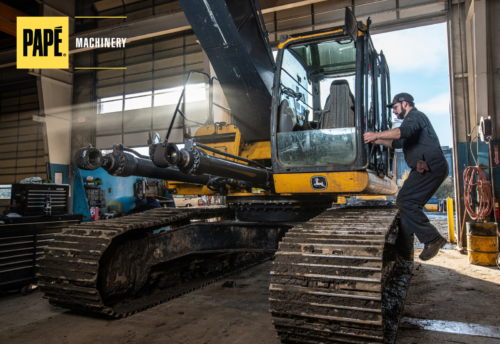
Machines work hard during mitigation projects, and dry vegetation can create ignition hazards. Daily inspections should be part of the fire-season routine.
Before each shift:
- Remove dry debris from machine compartments.
- Inspect exhaust systems and spark arrestors.
- Check hydraulic hoses and fuel lines.
- Verify fire extinguishers are accessible.
- Watch for overheating.
- Refuel away from dry vegetation.
- Park on cleared ground whenever possible.
OSHA also recommends evacuation planning, clear routes, worker communication, and accounting procedures as part of wildfire preparedness. Reviewing those procedures with your crew before conditions intensify can help everyone respond faster.
Choose the Right Equipment for the Job
Peak-season mitigation can create short-term equipment needs. Rental equipment can help crews quickly add capacity for fuel reduction, access-road maintenance, grading, and vegetation management without expanding their permanent fleet. Forestry equipment rentals can support logging sites, land clearing, and utility right-of-way maintenance, while construction rentals include options such as excavators and dozers.
Dozers help with firebreaks and pushing material. Excavators are useful for heavy debris, stumps, slope work, and precision clearing. Wheel loaders move brush, logs, soil, and processed material efficiently. Compact loaders bring attachment versatility into tight spaces, while forestry equipment, chippers, and grinders support heavier vegetation work.
A Wildfire Preparedness Checklist
Use this checklist before peak fire season begins:
- Walk the site and map high-risk areas.
- Clear deadfall, slash, brush, and dry vegetation.
- Build or refresh firebreaks near key assets.
- Improve access roads, turnouts, and staging zones.
- Clean and inspect equipment daily.
- Review evacuation routes and crew communication plans.
- Schedule service or secure rentals before demand spikes.
- Recheck the site after wind events or long dry stretches.
- Monitor local fire restrictions and operating conditions.
Get Ahead of Peak Fire Season
Preparing early helps reduce wildfire risk, improve access, and keep crews working safely throughout fire season. Contact your local Papé Machinery Construction & Forestry team for equipment, rentals, parts, service, and expert support before peak wildfire conditions arrive.
This information is intended as general guidance and should be used as a starting point when evaluating fire mitigation equipment and strategies. Specific equipment needs and approaches may vary based on site conditions, regulations, and operational requirements.