


Wildfire seasons are growing more intense each year across the U.S. Rising temperatures, drought, and dense fuel loads have turned fire risk into a constant concern.
Addressing that risk requires the right combination of planning, equipment, and ongoing support. Fire mitigation efforts depend on reducing fuel loads, improving access, and maintaining landscapes in a way that helps limit the spread and severity of fire. The sections below outline key objectives, equipment types, and considerations to help guide that work.
Understanding Fire Mitigation Objectives
Fire mitigation focuses on one core goal: reduce the amount of combustible material that fuels wildfires and protect critical areas before fire strikes. These efforts typically focus on:
- Creating defensible space around structures, communities, and infrastructure.
- Reducing fuel loads by clearing dense undergrowth, fallen trees, and ladder fuels.
- Fostering forest health by removing diseased or overgrown vegetation and improving access for firefighters.
The right equipment makes these goals achievable at scale. Land-clearing and mulching machines rapidly thin the understory, harvesters and feller bunchers selectively remove trees, and dozers or excavators carve out fire lines and access routes.
Key Equipment Categories for Fire Mitigation
Mulchers and Land-Clearing Machines
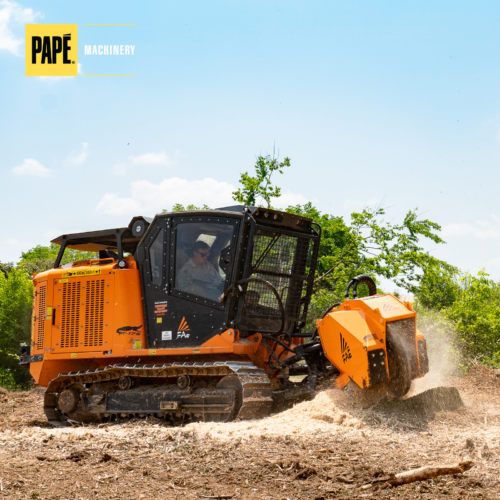
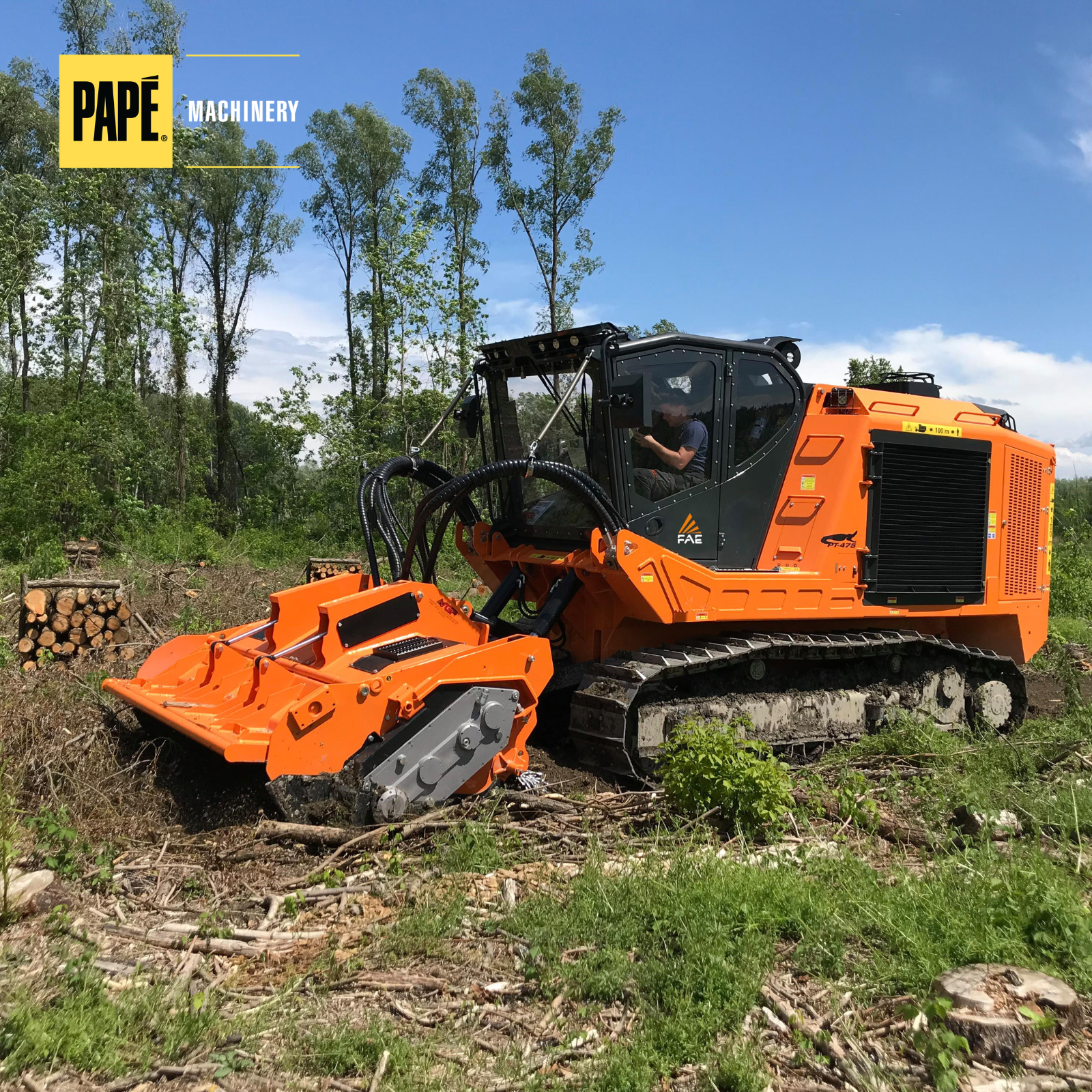
Mulchers and land-clearing machines grind or shred trees, brush, stumps, and low vegetation into mulch, reducing surface fuels and converting vegetation into smaller, less volatile material.
When selecting a mulcher, consider underbrush density, terrain, and slope. Rubber-tired and track-mounted carriers each offer advantages depending on ground conditions.
Feller Bunchers, Harvesters, and Forwarders
Feller bunchers and harvesters are central to large-scale thinning operations. These machines cut, gather, and process trees safely and efficiently, removing the “ladder fuels” that allow fires to climb from the forest floor into the canopy. Forwarders then transport logs or cut material out of the area for further processing or removal.
During fire-mitigation missions, these machines perform selective thinning and hazardous removal at scale. Equipment options include wheeled and tracked harvesters suited to a variety of operating conditions.
Skidders, Chippers, and Wood Processors
Once trees and brush are cut, the resulting biomass must be managed properly to avoid leaving behind fresh fuel. Skidders haul material to processing areas, where chippers and grinders convert it into chips or bundles that are easier to transport or repurpose.
Properly chipped biomass can be used for renewable energy or composted instead of burned. Our selection of skidders and wood-processing attachments helps operators handle large volumes of material quickly, keeping sites clean and reducing residual fire hazards.
Dozers, Excavators, and Fire-Break Construction Equipment
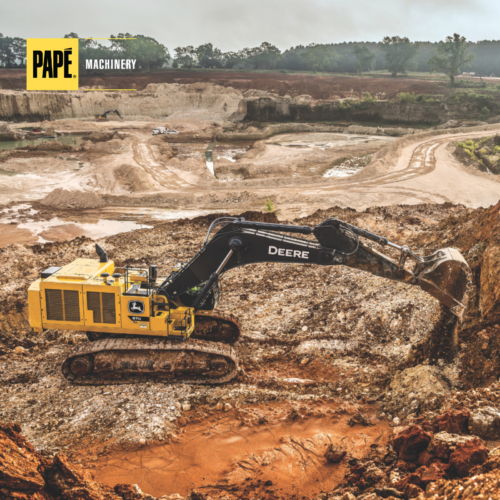
Dozers, graders, and excavators form the foundation of fire-break and access-road construction. They clear vegetation, move soil, and create buffer zones that slow the spread of fire and allow firefighting equipment to reach critical zones safely.
Fire breaks are usually constructed along roads, ridges, or near infrastructure, where the ability to remove vegetation quickly and expose mineral soil is essential. Papé Machinery product experts help operators select machines and attachments with the right reach, traction, and power.
Workflow Implementation and Best Practices
Effective fire mitigation programs follow a clear, repeatable process:
- Survey and Planning: Begin with a detailed assessment of fuel loads, slope, vegetation type, and proximity to assets or communities.
- Equipment Mobilization: Pick the best machine for terrain, project size, and conditions.
- Execution: Conduct thinning, mulching, chipping, and removal in coordinated phases. Build fire breaks and defensible zones as priorities.
- Maintenance and Monitoring: Regularly inspect cleared areas, maintain access routes, and repeat treatments as vegetation regrows.
Best practices include thorough operator training, strict safety compliance, and careful scheduling around weather and access. Using the correct attachments and ensuring timely maintenance is critical to reliability in remote locations.
ROI and Strategic Value for Land Managers and Contractors
Investing in fire-mitigation equipment yields considerable benefits. By lowering wildfire intensity and spread potential, landowners can protect high-value assets, reduce property and insurance losses, and maintain compliance with evolving regulations.
For contractors, the increase in fire risk and prolonged dry conditions is changing the types of work clients need to prioritize. Municipalities, utilities, and private landowners are placing greater emphasis on ongoing vegetation management and defensible-space planning to reduce risk and protect property. As a result, contractors are often being asked to take on more of this critical work as part of long-term land management strategies.
With Papé Machinery Construction & Forestry’s used equipment options and service plans, contractors can build and support the right fleet to meet these evolving needs while maintaining reliable uptime during high-demand seasons.
Selecting the Right Partner and Next Steps
Fire mitigation demands a partner with deep industry expertise and dependable support. The ideal equipment provider offers:
- A broad inventory of forestry and construction equipment.
- Attachments tailored to land clearing, mulching, and fire-break creation.
- Local service and parts availability.
If you’re planning for fire mitigation work, connecting with your local Papé Machinery Construction & Forestry team can help you evaluate equipment options and build a plan that fits your operation.
This information is intended as general guidance and should be used as a starting point when evaluating fire mitigation equipment and strategies. Specific equipment needs and approaches may vary based on site conditions, regulations, and operational requirements.