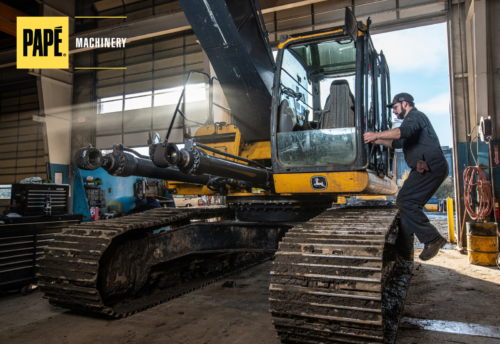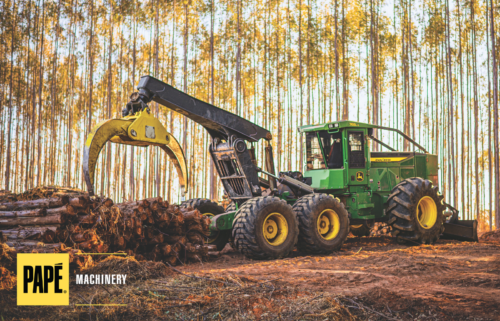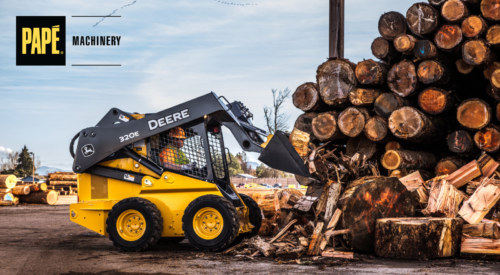
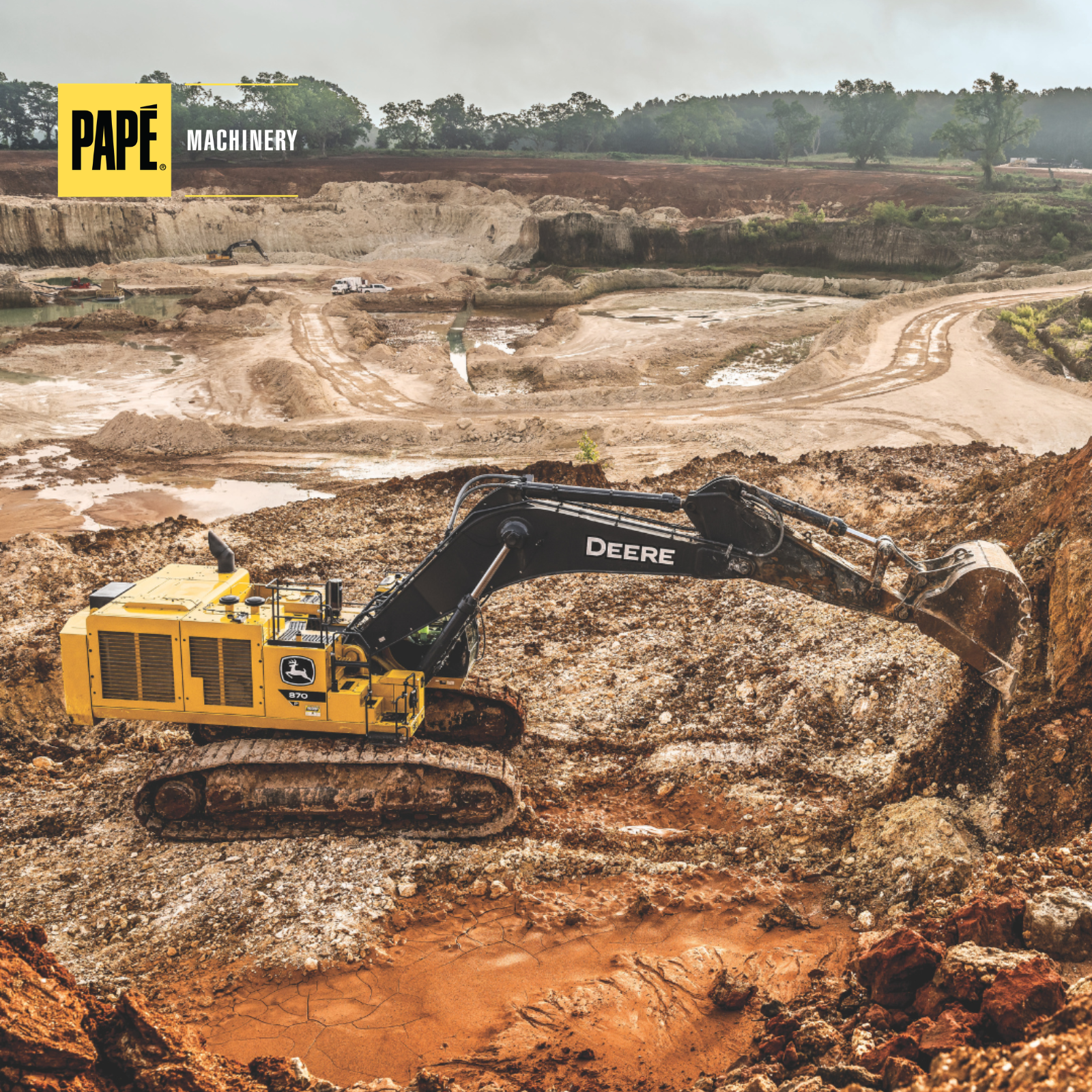
When the job calls for an excavator, dozer, wheel loader, or compact machine, one of the biggest decisions comes before the machine ever reaches the jobsite: should you rent or buy? Your choice here affects cash flow, scheduling, fleet planning, and long-term profitability. It also shapes how quickly your crew can respond when the work picks up.
For contractors, land-clearing crews, and forestry operators, the right answer depends on utilization, workload consistency, and how that machine fits into your operation. Some machines earn their keep day after day, while others fill a short-term need, support a seasonal push, or help you tackle a specialized application. A smart equipment strategy starts with understanding when each option makes the most sense.
When Renting Makes the Most Sense
Renting equipment is often the right move when flexibility is your top priority. It gives you access to the equipment you need without tying up capital in units that may only see limited use. A rental approach may make the most sense when you need to:
- Add temporary fleet capacity during peak season
- Take on a larger-than-usual earthmoving or sitework project
- Bring in a specialty machine or attachment for limited use
- Cover a gap while an owned machine is in service
- Test demand before committing to long-term ownership
When Buying Is the Better Long-Term Investment
Buying usually becomes more attractive when a machine plays a consistent role in daily production. If it is regularly moving dirt, loading trucks, handling logs, or supporting recurring site development work, ownership can deliver stronger long-term value.
High-utilization machines often justify ownership because they can lower cost per hour over time and give you immediate access when the schedule is tight. That level of control matters when the machine is central to your production targets.
Ownership can be especially valuable for core fleet equipment because it supports better planning. You know the machine, you know its service history, and you can align it with the way your jobs are bid and staffed.
Financing and leasing options can also make that path more practical. Current financing support includes flexible financing through trusted partners, equipment leasing options, manufacturer incentives, and programs for both new and used equipment.
The Cost Comparison Goes Deeper Than the Payment
The best comparison is bigger than a rental rate versus a monthly loan payment. The real question is how the machine affects productivity, uptime, support costs, and your ability to keep jobs moving. Before deciding, look closely at these factors:
- Expected hours of use each month
- Project duration and how often similar work repeats
- Cash flow impact and capital priorities
- Maintenance responsibility and internal service capacity
- Transportation and logistics between jobs
- Downtime risk if the machine is unavailable
- Resale or trade-in value over the life of ownership
This is where product support plays an important role in the buying decision. Planned service options can help ownership stay predictable by building maintenance into the equation.
Questions to Ask Before You Decide
A few practical questions can bring the rent-versus-buy decision into focus:
- How many hours will this machine realistically run each month?
- Is this tied to one project, or does it fill a repeatable need?
- Is it a core fleet machine or a short-term gap filler?
- Does flexibility matter more right now, or does ownership equity matter more?
- Do you have the internal capacity to handle maintenance?
- Would a late-model used machine be the best for this application?
Those questions help frame the choice around utilization and support rather than impulse. They also make it easier to compare rental, new equipment, used equipment, and financing options in a way that reflects real operating conditions.
A Hybrid Approach Might Be the Smartest Move
For many operators, the strongest strategy is a mix of both. Own the machines that drive daily production. Rent machines that support overflow work, specialty applications, or short-duration projects. This approach can help you remain agile while keeping capital focused on the equipment that delivers the most consistent return.
It also gives you room to respond when schedules shift, project scopes expand, or new opportunities open up mid-season.
The right equipment strategy comes down to utilization, job frequency, and support needs. If you’re weighing a short-term rental, a new machine, or a used addition to your fleet, our Papé Machinery Construction & Forestry team can help you compare options and choose the best fit for your operation.