

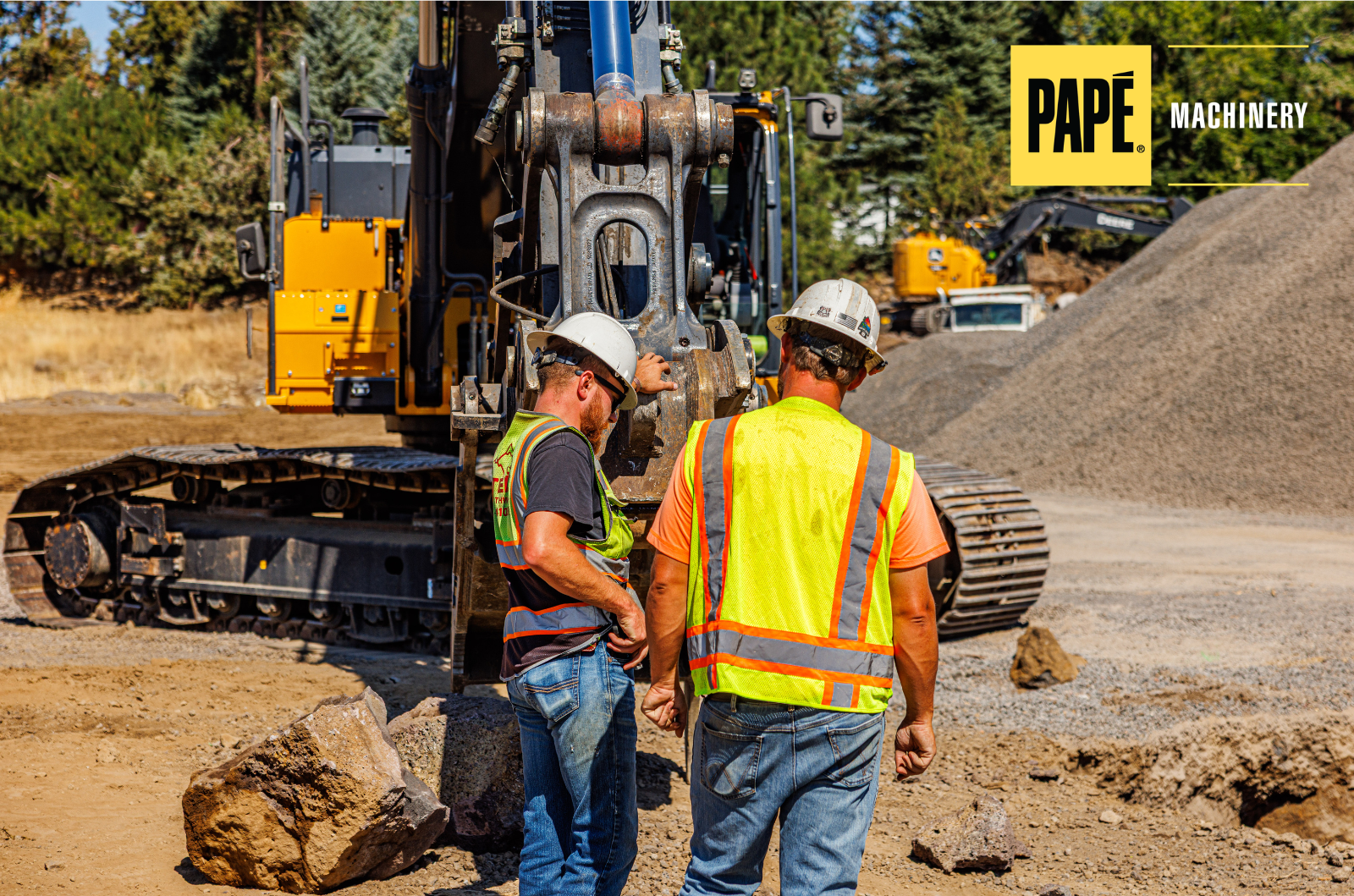
A strong safety program is built through the decisions crews and supervisors make every day: how work is planned, how concerns are reported, and how quickly hazards are corrected. OSHA Safe & Sound Week gives construction and forestry operations an opportunity to evaluate those habits and strengthen their overall safety culture.
Safe + Sound Week takes place August 10-16, 2026. Its three core elements—management leadership, worker participation, and finding and fixing hazards—provide a practical framework for improving workplace safety throughout the year.
What Is OSHA Safe & Sound Week?
Safe & Sound Week is a nationwide event organized by OSHA each August to highlight effective workplace safety and health programs. Organizations of every size can participate by launching a program, reenergizing existing efforts, or highlighting recent accomplishments.
For construction and forestry operations, this work has clear operational value: A proactive safety program can help reduce injuries, equipment damage, unplanned downtime, and costly disruptions while improving communication across the jobsite.
The greatest benefit comes when those practices become part of everyday operations—not just one week each year.
Leadership: Make Safety Visible
Effective construction safety leadership begins with planning. Owners, managers, supervisors, and foremen set expectations through the resources they provide, the questions they ask, and the actions they take when an employee raises a concern.
Safety should be considered during scheduling, equipment selection, site planning, and crew assignments. Leaders also need to allot enough time, personnel, training, and properly maintained equipment for the work.
Consistent follow-through builds credibility. When workers see that reported concerns lead to action, they gain greater confidence in the process and are more likely to raise the next issue early.
Worker Participation: Give the Crew an Active Role
Frontline workers are often the first to notice changing conditions first. Their daily experience provides valuable insight into blind spots, equipment behavior, and shifting priorities.
Worker participation in safety programs should be straightforward and accessible. Crews need practical ways to share concerns, recommend improvements, and stop work when an immediate danger appears. Consider the following strategies to encourage participation:
- Invite crew members to help lead toolbox talks.
- Ask operators to refine pre-shift inspection checklists.
- Review near misses with a focus on causes and corrective actions.
- Include workers when evaluating equipment, attachments, technology, or procedures.
- Create simple channels for reporting hazards and maintenance needs.
- Explain how reported issues were addressed.
Temporary employees, subcontractors, and newer workers should also be included. Safety information needs to be clear across different languages, roles, and experience levels. Hands-on demonstrations can reinforce verbal safety instructions.
When employees see their concerns addressed, they’re more likely to speak up again.
Find and Fix Jobsite Hazards Before They Cause Downtime
Hazards can develop throughout the day as weather changes, equipment moves, traffic increases, or new work begins. That’s why hazard recognition should continue beyond the morning safety meeting.
A repeatable find-and-fix process helps teams move beyond observation and toward documented correction:
- Inspect the Work Area: Review slopes, trenches, unstable ground, overhead utilities, weather, access routes, traffic patterns, and material staging.
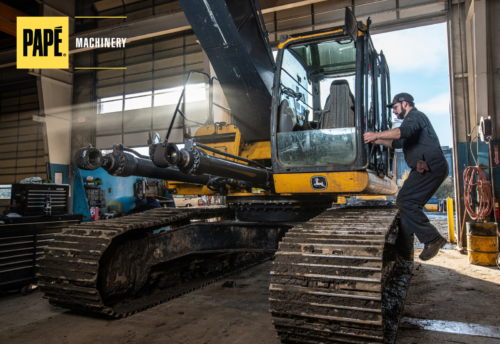
- Inspect the Equipment: Check tires or tracks, fluid leaks, brakes, alarms, cameras, lights, handholds, guards, seat belts, couplers, and attachments.
- Observe the Work: Watch for people entering blind spots, unclear hand signals, machine congestion, changing routes, and improvised procedures.
- Prioritize the Risk: Address conditions with the greatest potential for severe injury or major equipment damage first.
- Correct and Document: Establish barriers, revise the work plan, schedule repairs, provide additional training, or remove unsafe equipment from service.
- Confirm the Solution: Reinspect the condition and verify that the corrective action controls the hazard.
Maintenance records, operator reports, telematics, fluid analysis, and recurring fault codes can also reveal patterns. A repeated alarm, leak, overheating event, or premature component failure may point to a larger maintenance, application, or training issue.
Consistent walkarounds and documented inspections support heavy equipment safety. When a machine requires repair, removing it from service until the issue is resolved helps protect the operator, nearby workers, and the equipment itself.
Support Safer, More Productive Operations
Strong safety programs rely on leadership, worker involvement, proactive hazard recognition, and well-maintained equipment. Together, these practices help crews work more safely while reducing downtime and improving productivity.
At Papé Machinery Construction & Forestry, we help customers support safer jobsites with equipment inspections, preventive maintenance, repairs, parts, rentals, and factory-trained service. Whether you’re maintaining one machine or an entire fleet, our team is here to help keep your equipment ready for the work ahead.