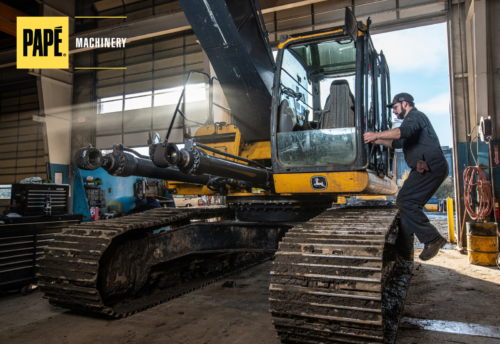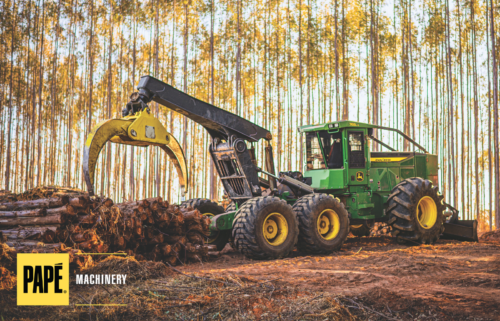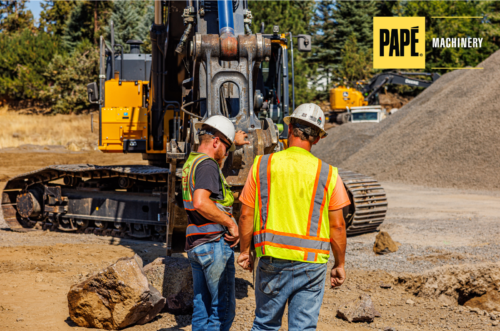



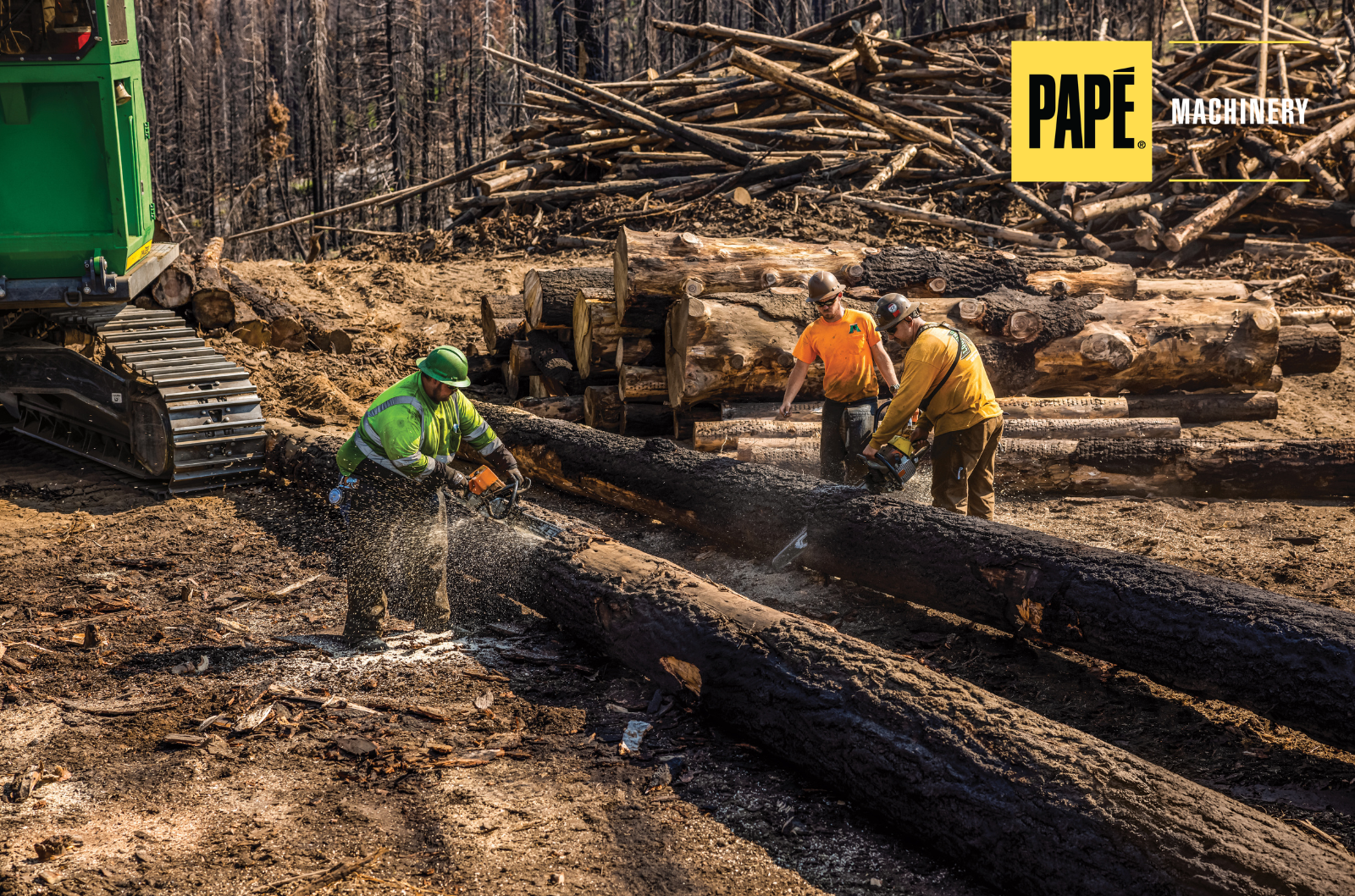
Every forestry project leaves material behind. Timber harvesting, thinning operations, storm cleanup, land clearing, and wildfire mitigation are just a few examples of work that leaves behind limbs, treetops, brush, stumps, damaged logs, bark, and other wood waste. If left unchecked, this material can limit access to the site, make replanting more difficult, create safety hazards, and add to the fuel available for wildfires.
Many contractors are finding ways to recover value from forestry debris rather than burning, burying, or hauling it to a landfill. With the right tools and a processing plan, wood waste can be transformed into mulch, compost, biomass fuel, reusable timber, or firewood, all while increasing jobsite efficiency and reducing disposal costs.
Start by Evaluating and Sorting the Material
Each clean-up project poses a unique challenge, so the first step in determining the best recycling option is to evaluate the materials involved. How the debris should be processed depends on many factors, such as the volume, species of trees, moisture content, contamination, accessibility, and intended end use.
Keep clean wood separate from rocks, soil, metal, treated lumber, and other contaminants prior to processing. It helps to reduce equipment wear and produces a cleaner end product. It’s also worth looking out for usable logs before they hit the grinder. Merchantable timber is usually more valuable as lumber or firewood than as mulch or wood chips. Crews should review local transportation, disposal, burning, and biomass regulations before beginning work.
Option 1: Salvage Usable Wood
Not all logs are for the grinder. Sound sawn timber may still have value for sawmills, firewood, fence posts, landscape timbers, portable milling or other wood products. Salvaging these materials before processing the rest of the debris can enhance the return on a project.
Keep in mind that wood damaged by storms, fire, insect infestation, or extensive rot may have limited markets. Evaluating the logs prior to hauling saves the expense of hauling unneeded logs.
Option 2: Produce Mulch On-Site
Branches, brush, bark, and tops can often be processed directly into mulch or ground cover for use on the jobsite. Common applications include erosion control, trail construction, temporary access roads, dust control, landscaping, and site rehabilitation.
Chippers work best on cleaner limbs and smaller woody material and make consistent wood chips. Horizontal grinders and tub grinders are used to process larger volumes, mixed debris, stumps, and land-clearing material.
Papé Machinery offers Morbark chippers, horizontal grinders, and tub grinders for forestry management, wood-waste processing, mulch production, and recycling throughout the West.
Do not pile mulch against the base of living trees or spread material that contains invasive plants, insects, or disease.
Option 3: Compost Organic Material
Commercial composting facilities may accept clean brush, bark, leaves, and chipped wood. The wood material is also a valuable ingredient for quality compost, providing valuable carbon, and structure when mixed with other compostable feedstocks.
Confirm accepted species, contamination standards, processing requirements, and tipping fees prior to hauling material. Chipping or grinding debris before hauling can reduce hauling costs by reducing the overall volume of material.
Option 4: Convert Wood Waste Into Biomass Fuel
Biomass plants burn clean wood residue for renewable energy, providing another outlet for forestry debris. Logging slash, mill residue, bark, clean chips, and low-value timber may all be eligible depending on the requirements of the facility.
Most biomass plants have strict standards for chip size, moisture content, cleanliness, and delivery volume, so contractors should find a buyer before processing large quantities of material.
Option 5: Use an Off-Site Wood Recycler
If on-site processing isn’t possible, hauling debris to a commercial recycler may be the best option. This is often a good option for small projects, limited jobsite space, or contractors that don’t want the finished product.
Logs, brush, stumps, wood chips, and green waste are accepted by many recycling centers, composting facilities, biomass plants, and municipal yard debris programs. Don’t just think about disposal costs, compare the costs of hauling, labor, equipment, processing and tipping to find the most economical option.
Match the Equipment to the Job
The right equipment depends on the material and the desired final product. Chippers are efficient at turning cleaner branches into wood chips, while horizontal grinders are used for high-volume production of mixed forestry debris. Tub grinders are good for large land-clearing material, compost feedstocks and large wood waste. Loaders and excavators boost productivity by sorting, feeding, and stockpiling material, while mulching and stump grinding attachments help in site preparation for future use.
Make Forestry Debris Part of the Plan
Forestry debris is not necessarily waste. By planning ahead, sorting material, finding local recycling opportunities, and choosing the right equipment, contractors can recover value and improve jobsite efficiency.
Whether your goal is to produce mulch, supply biomass facilities, compost organic material or recover usable timber, your local Papé Machinery Construction & Forestry team can assist you in comparing chippers, grinders, forestry attachments, rental options, and service support to develop a clean-up strategy to keep your operation productive and moving forward.