


More often than not, construction sites are on or near active roadways. Because of the high risk environment, it’s critical to have a plan for work zone safety. To help you save a little time in the safety planning process, we’ve compiled a list of roadway safety tips to reduce the risk of injury on the job.
1. DO YOU HAVE A PLAN?
Every major road project has a strategy – it brings together the physical construction agenda and the short term traffic control plan to help maintain worker safety while the job is ongoing. Each step of the project will require a different set of safety precautions and it’s important to communicate them to the entire crew.
2. WHERE’S THE SAFETY GEAR?
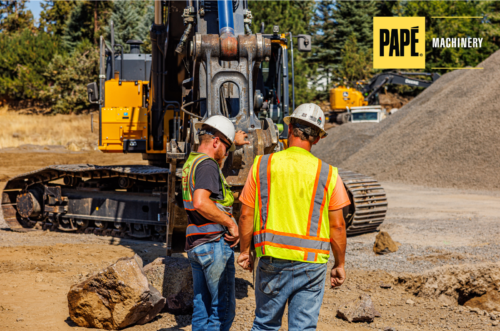
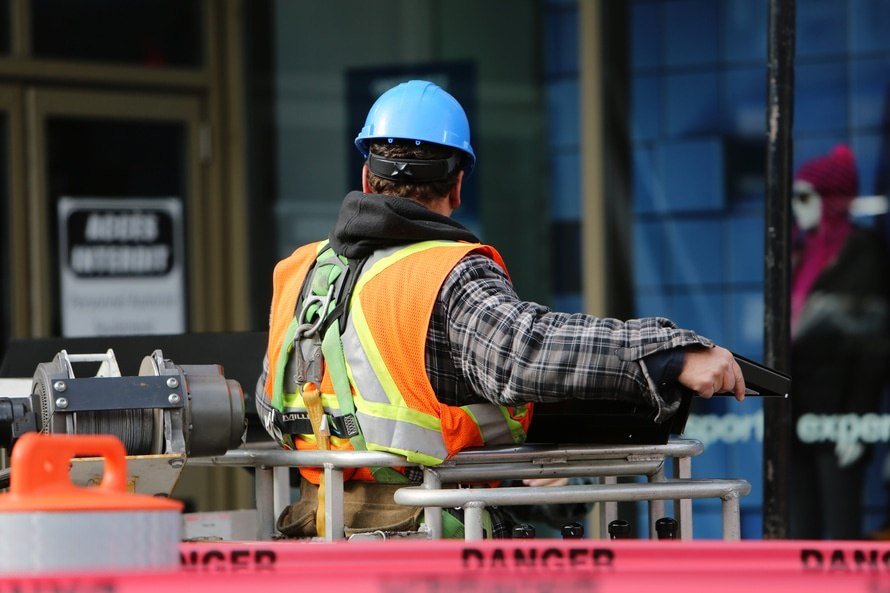
Seems like an obvious rule-of-thumb, but PPE policies aren’t always implemented. Don’t overlook the importance of providing or requiring the necessary protective gear including hard hats, steel-toed boots, eye protection, ear plugs and highly visible clothing—it could save a life.
3. HAVE YOU HAD YOUR SAFETY MEETING YET?
This should happen in depth before every project and as a daily reminder. Whether it’s something everyone’s heard before, or something that feels redundant, that’s okay. When it comes to construction road safety, a daily reminder is necessary. Even if you have a revolving team, you can never speak about safety too often.
4. DOES EACH WORKER HAVE WATER NEARBY?
Staying hydrated is crucial, especially on hot days. Should workers start getting dehydrated, they can lose focus on the job at hand or potentially faint. Both can be very dangerous, so be sure to provide access to water and remind workers to stay hydrated.
5. IS TRAFFIC CONTROLLED?
Arguably the most important piece of road construction safety equipment – traffic signs. They’re crucial in ensuring civilians pay attention to the construction workers in the vicinity. Adding an experienced traffic controller is another simple way to help prevent major workplace injury.
6. ARE THERE SEPARATE WORK AREAS?
Because several work activities are taking place at the same time, accidents between them are likely to occur. To avoid these, use cones or other barriers to separate areas and to signify that a specific type of work being done in that zone.
7. WHERE ARE THE BLIND SPOTS?
Heavy equipment on job sites typically have blind spots, which makes navigation difficult for both driver and those walking around the equipment. Stay in visual contact with any drivers to avoid hazardous situations.
8. IS THERE SOMEONE OVERSEEING THE JOB?
According to OSHA’s road construction safety tips, construction sites should always have a competent person observing the area for safety. This person must be aware of safety regulations, and be able to easily point out situations or equipment that’s unsafe.
9. WHAT’S IN YOUR SAFETY PROGRAM?
For your job in particular, there may very well be unique safety requirements that don’t pop up in a typical safety manual. Have a set of rules and regulations for your job that clarify any possible concerns that may arise.
By maintaining a robust safety program, especially when working in high traffic zones, you can keep your workers and equipment from harm. To speak with our equipment experts about work zone safety or about our John Deere construction equipment, visit our nearby Papé Machinery, Construction & Forestry locations.