


To get the most value out of your compact construction equipment, it needs to stay productive as the work changes. A skid steer loader, compact track loader, or compact excavator may start the day digging then move into material handling, grading, clearing, demolition, or cleanup with the right attachment.
With a well-planned attachment lineup, contractors can take on more tasks with the equipment already on site and reduce the need for additional dedicated machines.
Why Attachment Variety Can Improve Uptime
Uptime is about more than preventing breakdowns. It also means reducing the time a machine sits idle between tasks.
Buckets, forks, augers, trenchers, blades, brooms, and other attachments allow compact equipment to take on several applications. Quick-attach systems can also reduce interruptions when switching between tasks.
Compact Equipment Attachments for Every Stage of the Job
Digging and Trenching Attachments
Buckets are among the most common attachments for skid steer loaders, compact track loaders, and compact excavators. General-purpose and dirt buckets can handle routine digging and loading, while tooth buckets provide more digging ability in harder ground. Rock buckets can help separate rocks and larger debris from soil or finer material.
For more specialized excavation, augers can drill holes for posts, footings, and landscaping. Trencher attachments are designed for narrow trenches used for utilities, irrigation, drainage, and other installations.
Material Handling Attachments
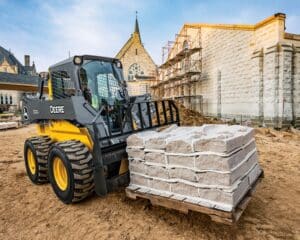
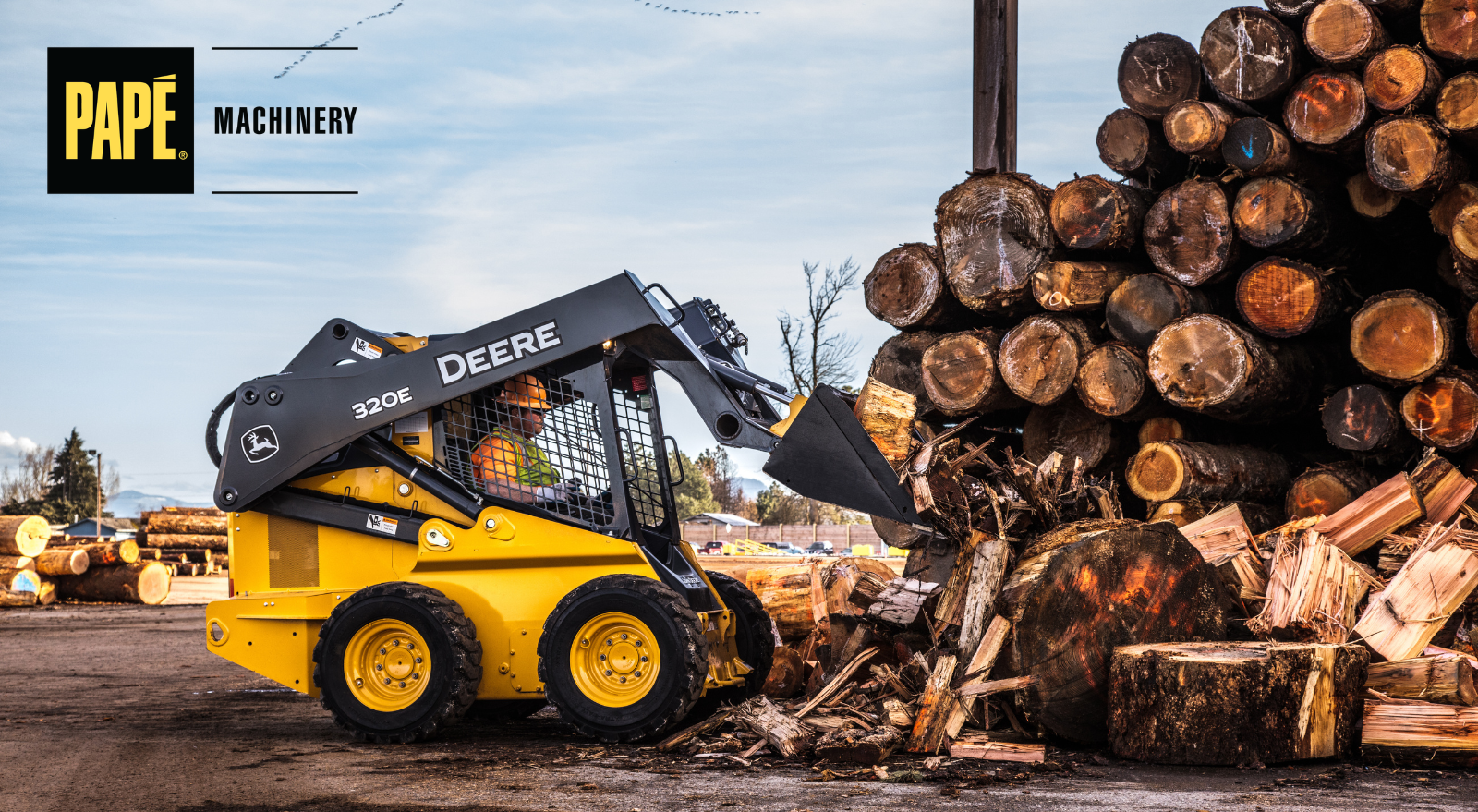
Pallet forks, grapples, grapple buckets, and multipurpose buckets expand the material-handling capabilities of compact equipment. Pallet forks can move palletized supplies around the jobsite, while grapples provide better control over brush, logs, demolition debris, and other irregular loads. Buckets can transport soil, aggregate, and loose materials. Compact excavators can also use thumbs or clamps to secure bulky material such as rocks, logs, and debris.
Grading and Site Preparation Attachments
Dozer blades, angle blades, grading buckets, and power rakes can help compact equipment level material, establish grades, and prepare surfaces for the next phase of work.
A compact loader can stay on the site and transition from excavation to rough grading with a simple attachment change. Grading buckets can help compact excavators shape slopes and finish surfaces, while power rakes can break up soil, separate debris, and prepare areas for final grading.
Demolition and Breaking Attachments
Hydraulic hammers and breakers extend compact equipment into concrete removal, rock breaking, road repair, trench work, and smaller demolition projects. Once hard material has been broken apart, the machine can switch to a bucket or grapple to collect and move debris, staying productive through several stages of demolition.
Land Clearing and Vegetation Management Attachments
Rotary mowers, brush cutters, mulchers, and stump grinders can prepare overgrown areas for construction, landscaping, access, or property maintenance. After vegetation is cut, grapples can gather brush, branches, logs, and other debris for removal. This gives compact machines a role from initial clearing through cleanup thanks to the right attachments.
Compaction, Cleanup, and Finishing Attachments
Compact equipment can continue working as a project moves toward completion. Compactor attachments can support soil and trench compaction where appropriate, while pick-up brooms and angle brooms can remove loose aggregate, dirt, and construction debris from finished work areas.
Match the Attachment to the Machine
Before choosing an attachment, confirm that it is properly matched to the machine. Important considerations include:
- Coupler Compatibility: Make sure the attachment works with the machine’s coupler and mounting system.
- Hydraulic Requirements: Check hydraulic flow before using powered attachments. High-demand tools such as some mulchers, cold planers, and trenchers may require high-flow hydraulics.
- Machine Capacity: Consider attachment weight, expected load, lift capacity, and the machine’s operating limits.
- Controls and Connections: Some attachments may require specific hydraulic connections, electrical connections, or machine controls.
- Job Requirements: Material type, soil conditions, working space, required depth, and workload can all affect attachment selection.
Buy the Workhorses and Rent the Specialists
Frequently used attachments may make the most sense to own. Buckets, forks, and grapples are common examples because they support a wide range of everyday jobs.
Specialized attachments may only be needed for a particular project or season. Renting a hydraulic breaker, stump grinder, mulcher, or other specialty tool can expand your machine’s capabilities without the cost, storage, and maintenance of owning every attachment.
Renting can expand a compact machine’s capability without requiring contractors to own every attachment they may need. Papé Machinery offers rental options that include attachments for excavators, skid steers, wheel loaders, specialty applications, and compaction equipment. Rental equipment is inspected and maintained by Papé technicians.
Keep Your Compact Fleet Moving With Papé Machinery
The right attachments can help one compact machine take on more tasks throughout the jobsite. Choosing the best setup starts with your equipment, application, workload, and how often each attachment will be used.
Papé Machinery Construction & Forestry can help you compare attachment options, determine when buying or renting makes sense, and support your equipment with maintenance, repairs, field service, and access to more than 15 million OEM and aftermarket parts.
Contact your nearest Papé Machinery Construction & Forestry location to find attachments that match your compact equipment and the work ahead.