

Why Choose a Dealer Service Center Over Independent Repair for Your Equipment
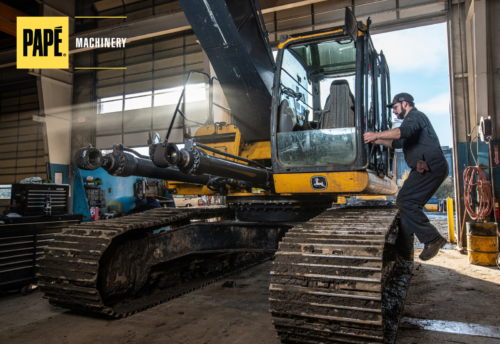
When a dozer, excavator, or loader goes down, the repair decision affects more than the invoice. It can influence warranty coverage, parts compatibility, future reliability, resale value, and how quickly the machine returns to work. Independent shops can handle some routine repairs, but a dealer service center offers direct access to manufacturer training, OEM parts,…

Why Preventive Maintenance Isn’t Optional but a Business Imperative
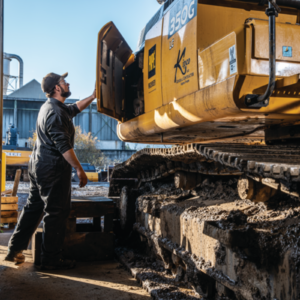
In heavy construction, forestry, and earthmoving, downtime is more than an inconvenience: it cuts straight to your bottom line. That’s why preventive maintenance (PM) is one of the smartest investments you can make in your fleet and in your business. At Papé Machinery Construction & Forestry, we partner with you to keep your equipment running…
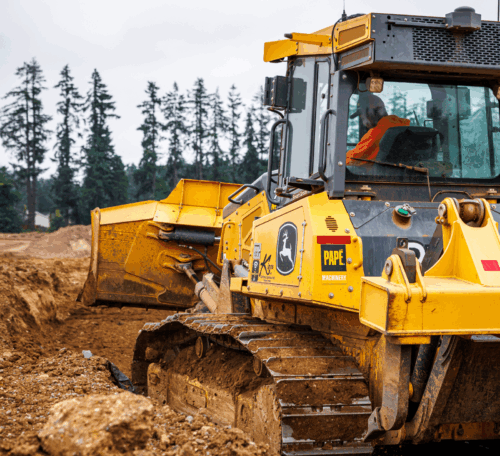
Late-Fall Site Prep: Soil Stabilization and Erosion Control Before Winter Hits
Late fall across the West brings colder temperatures, heavier rain systems, and shrinking daylight—conditions that can quickly turn a jobsite into mud if site prep isn’t locked in. With winter storms already starting to roll through, now is the time to shore up subgrades and get erosion controls in place. Below is a practical guide…
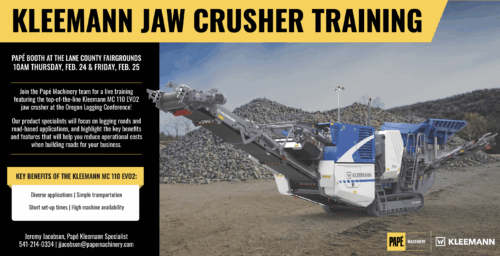
Oregon Logging Conference 2022: Come See Us!
We are thrilled to be a part of this year’s Oregon Logging Conference, taking place next week at the Lane County Fairgrounds! The conference runs from Thursday, February 24th, 2022, through Saturday, February 26th, 2022.
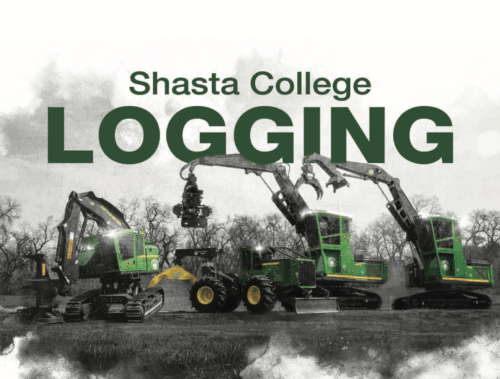
Papé Machinery Partners with Shasta College to Address Workforce Needs of the Logging Industry
As we continue into the 2020’s, both the need for lumber and forest management is slowly being outweighed by the realities of the workforce that make up the majority of the industry.
WHY YOU SHOULD TAKE ADVANTAGE OF THESE BIG TAX SAVINGS IN 2018
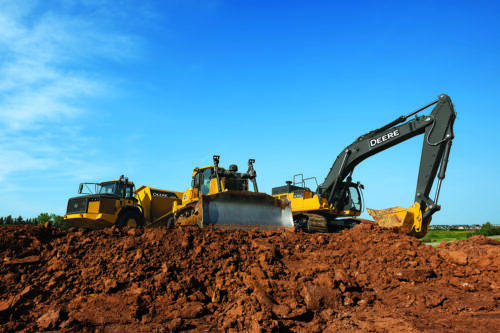
Section 179 of the Federal Tax Code has been extended and expanded to allow deduction of the full purchase price of qualifying equipment and/or software, along with doubling the Bonus Depreciation for even more savings. This tax break is only guaranteed through 2018, so take advantage of it now, before it potentially disappears.
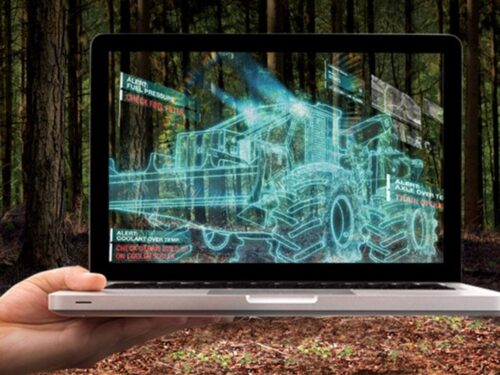

Improve Equipment Performance with Integrated Forestry Technology
With the ability to collect and process data in real time, John Deere technology for forestry equipment is giving logging contractors actionable insights to improve machine efficiency, increase uptime, and better manage job sites.
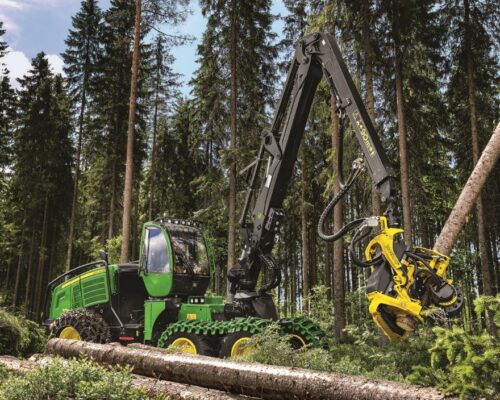
THE PROS & CONS OF CUT-TO-LENGTH LOGGING
Cut-to-Length (CTL) logging is a popular alternative to traditional harvesting methods. If your logging company is considering moving toward cut-to-length harvesting methods, make sure you understand the pros and cons.


AERIAL SPRAY BAN IN LINCOLN COUNTY – MORE TO FOLLOW?
Lincoln County, Ore., has become the first county in the nation to ban spraying aerial pesticides. The ballot passed by a narrow margin in May 2017, superseding state and federal pesticide laws and regulations that would otherwise permit the aerial spraying of pesticides.
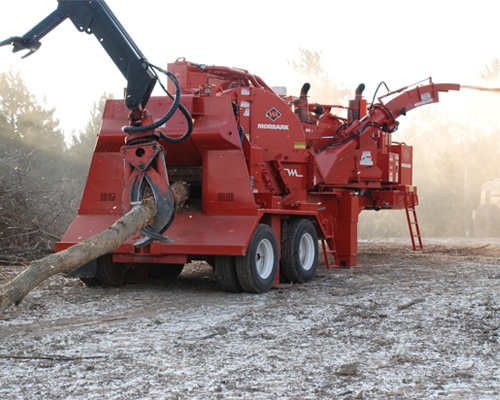
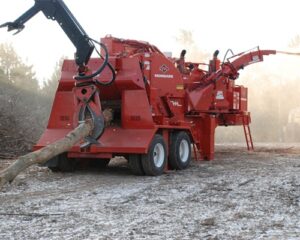
THE EQUIPMENT YOU’LL NEED TO EXPAND TO BIOMASS HARVESTING
Considering adding biomass harvesting to your ever-growing timber harvesting business? The wood left behind by your crews is valuable and equates up to 25% – 30% of the total wood volume. Depending on the harvesting equipment in your fleet and the biomass harvesting method, typically only one piece of biomass harvesting equipment is required to expand your business.
- « Previous
- 1
- 2
- 3
- 4
- Next »