


Paving in cold weather can present significant challenges. If paving equipment operators aren’t experienced working with asphalt in sub-optimal weather, they will find it difficult to maintain the appropriate mix temperature to achieve successful compaction of 92-95%.
With a few adjustments and the right training, asphalt contractors can complete paving projects in cold weather without compromising the performance of the pavement. Use the tips below to expand your paving business into colder months and gain a competitive advantage over your competitors.
The critical factors to alter for successful paving in cold weather include:
- Mix Temperature
- Thickness
- Length of Haul
- Hopper Management
MIX TEMPERATURE
The most important adjustment asphalt contractors must make when paving in cold weather is heating the mix to a higher temperature. Air temperature, wind chill, and the amount of direct sunlight impact how quickly the mix will cool to 175°F and become solid. The production temperature of the mix should be a minimum of 290°F, but no more than 330°F which could damage the asphalt mix. Use an electric-heated paving screed for more temperature control. Adjust your screed heat to about 280°F and your extensions to about 300°F to keep the mix workable in cold weather.
THICKNESS
Depending on the temperature, contractors should adjust the mat thickness. In summer, a 1-inch mat is attainable because the ground is warmer and the mix maintains heat, but in cold temperatures, a 1-inch mat will cool too quickly for proper compaction when its poured onto the cold ground. To achieve adequate density, conditions should allow for approximately 10 minutes of rolling. Use the guideline below to determine the appropriate lift thickness for the temperature conditions.
Lift Thickness Minimum Temperature
1” or less 55°F
1.1” to 2” 45°F
2.1” to 3” 40°F
3.1” to 4 “ 35°F
4.1” to 8” 32°F
For temperatures lower than 32°F, major asphalt paving projects are not advised. However, pothole repair or other asphalt patches can be completed in sub-freezing temperatures using cold asphalt mix. Cold asphalt patches should be considered temporary fixes until the repair can be done using hot asphalt mix when weather conditions improve.
LENGTH OF HAUL
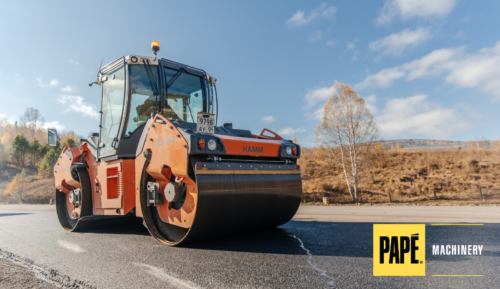
The real key to paving in cold weather is timing. The timeline to get asphalt compacted is shorter in winter because the air temperature and ground temperature cool the mix faster. Eliminate waiting time as much as possible. You never want a paver waiting for a truck longer than 15 minutes; reduce the amount of time pavers are waiting for mix by using extra trucks. It’s also important to shrink distances between the asphalt rollers and the pavers. Some contractors choose to eliminate the middle roller when working in cold temperatures. A finish roller can be positioned as close as 200 feet behind the breakdown roller.
Heat sensors help monitor mat temperature to ensure rollers are not working on asphalt that has hit 175°F. At that point, the mix will stop rolling and start breaking.
HOPPER MANAGEMENT
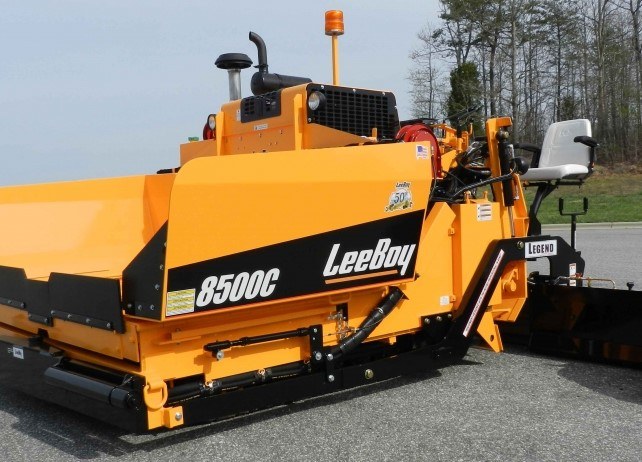
When working in cold weather, make sure to never let the hopper run out. Manage the mix in the conveyor and tunnel, so that the hopper is always full. By keeping the hopper full, the mix will stay hot and keep the hopper hot. If it runs out, the paver won’t run as smoothly when it is refilled. Be sure to remove any chunks that have gone cold and hardened. These pieces can be broken up and added back to the mix to reduce waste.
ADDITIONAL TIPS FOR PAVING IN COLD WEATHER
- Secure a tarp over your truckloads to reduce heat loss if you are transporting long distances.
- End dump directly into the paver to avoid heat loss.
- Eliminate raking and other handwork where possible.
- Roll longitudinal joints as quickly as possible to avoid shrinkage cracks.
- Keep the screed hot – should be within 75 degrees of the mix temperature.
- Do not attempt a paving project if it is actively raining or the ground is still wet. The oils in the asphalt mix will repel any water it meets and the mix will be compromised.
By making these adjustments for paving in cold weather, you can get back to business sooner. For more information about paving in cold weather or for quality paving equipment rentals from industry-leading manufacturers, contact the equipment experts at Papé Machinery Construction & Forestry.